
Storage of formwork materials decides how long panels, props, and accessories last and how well they perform on the next pour. This guide explains the best practices for storing formwork materials, helping building technicians protect their investment and reduce replacement costs.
Introduction: Why Storage of Formwork Materials Matters
Formwork materials take heavy punishment on site. Moreover, they face water, impact, and abrasion during every cycle. Consequently, poor storage between cycles shortens their life dramatically.
In addition, damaged formwork produces poor concrete finishes. For instance, swollen plywood leaves a rough surface, and corroded props fail under load. Therefore, technicians must store formwork materials with the same care they apply to erection.
This guide therefore covers the storage of formwork materials in detail, from site selection to inspection routines.
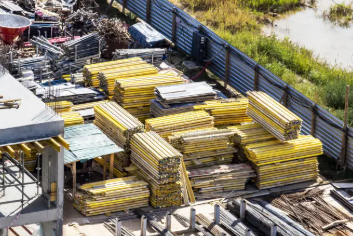
The Main Risks of Poor Storage
Before examining best practices, technicians should understand the risks that poor storage creates.
Moisture Damage
Plywood and timber absorb moisture from the ground and air. As a result, they swell, delaminate, and warp. Furthermore, repeated wetting and drying causes surface checking and edge damage.
Corrosion of Metal Parts
Steel panels, props, clamps, and tie rods rust when left in the open. Consequently, threads seize, and props lose strength. Moreover, rust stains transfer to concrete surfaces.
Physical Damage
Careless stacking causes dents, bends, and edge damage. For instance, dropping a steel panel distorts its face. Similarly, stacking heavy props on plywood crushes the surface.
Chemical Damage
Concrete residue hardens on panels and becomes difficult to remove. In addition, release agents and curing compounds degrade some plastics and coatings if left in contact.
Loss and Theft
Unsecured stores invite theft and misplacement. As a result, projects buy replacements that they already own. Furthermore, missing accessories such as wing nuts and clamps delay erection.
Ultraviolet Degradation
Prolonged sunlight degrades plastic formwork, rubber seals, and some coatings. Consequently, these items crack and lose flexibility.
Best Practices for Storage of Formwork Materials
The following best practices address each risk and provide a practical framework for site storage.
1. Select a Suitable Storage Area
First, choose a storage area that is level, well-drained, and away from traffic routes. Moreover, the location should be close enough to the work area to reduce handling, yet far enough to avoid damage from site operations.
In addition, keep the store away from sources of ignition and from areas where chemicals are handled. Furthermore, avoid storing formwork beneath trees that shed leaves and moisture.
2. Prepare the Ground Surface
Next, prepare the ground before stacking any material. Clear the area of vegetation, debris, and standing water. Then, level the surface and compact it where necessary.
If the ground remains damp, lay a polythene membrane or a layer of crushed stone as a moisture barrier. This step prevents ground moisture from rising into the stack.
3. Raise Materials Off the Ground
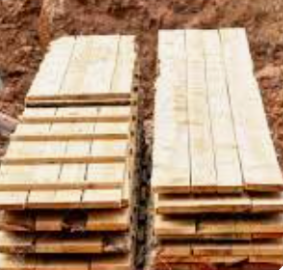
Formwork must never rest directly on the ground. Therefore, place dunnage—timber bearers or concrete blocks—at intervals beneath the stack. Consequently, air circulates freely under the stack, and moisture cannot migrate upward.
Space the bearers approximately 1 to 1.5 metres apart to prevent sagging. Moreover, align the bearers vertically so loads transfer directly to the ground.
4. Stack Panels Flat and Evenly
Plywood and steel panels should lie flat, never on edge. Moreover, stack them face to face and back to back where possible, because this protects the contact faces.
In addition, keep the stack level and avoid overhanging edges, which cause warping. Furthermore, limit stack height to about 1.2 to 1.5 metres for safety and stability.
5. Separate Materials by Type and Size
Organise the store by material type, size, and condition. For instance, keep plywood panels, steel panels, props, and accessories in separate bays. Similarly, isolate damaged items from sound ones.
As a result, workers pick the correct material quickly, and defective items never enter the work.
6. Protect Materials from Rain and Sun
Provide cover to protect formwork from direct rain and strong sunlight. Use a tarpaulin, roofing sheet, or simple shed roof. However, do not wrap materials tightly, because trapped moisture encourages rot and corrosion.
Instead, allow air to move freely around the stack while keeping rain off the top. Furthermore, slope the cover slightly so water runs off rather than pooling.
7. Clean Materials Before Storage
Clean every panel and accessory before stacking. Remove concrete residue, nails, and old release agent. Moreover, clean threaded parts of props and tie rods, then apply a light oil film.
As a result, the next cycle starts with clean, serviceable materials. Furthermore, cleaning prevents concrete build-up that reduces panel life.
8. Re-Apply Release Agent or Protective Coating
Where the manufacturer recommends it, re-apply a protective coating before storage. For instance, some plywood edges benefit from sealing paint. Similarly, steel panel faces benefit from a thin oil film.
Consequently, the surfaces resist moisture and stay ready for immediate use.
9. Store Props and Accessories in Bins
Store small accessories such as clamps, wing nuts, pins, and wedges in labelled bins or crates. Moreover, keep them off the ground so they do not rust or get lost.
In addition, store props vertically in racks or horizontally on bearers, never leaning loose against a wall. As a result, they remain straight and undamaged.
10. Control Pests and Insects
Inspect stored timber and plywood regularly for signs of insect activity, such as bore dust or hollowed sections. If infestation appears, isolate the affected material immediately.
Furthermore, treat the storage area with approved insecticides where necessary. In addition, keep the surrounding area clear of vegetation and waste, because these harbour pests.
11. Enforce Fire Safety Measures
Keep the formwork store clear of combustible waste. Moreover, position fire extinguishers nearby and display clear signage. In addition, prohibit smoking and hot works within the storage zone.
Where possible, separate large stacks into smaller piles. Consequently, a fire in one pile is less likely to destroy the entire stock.
12. Secure the Store Against Theft
Fence the storage area and restrict access to authorised personnel. Furthermore, maintain an inventory and record every issue and return of formwork.
In addition, mark panels and props with the project code where practical. As a result, misplaced material is easily traced, and theft becomes harder.
13. Inspect Stock Regularly
Schedule routine inspections of stored formwork. Check for moisture damage, delamination, corrosion, and physical damage. Moreover, verify that bearers and covers remain in position.
Remove defective items promptly and record them for repair or disposal. Consequently, only sound material reaches the workforce.
14. Rotate Stock
Rotate stock so that older panels are used first. Consequently, material does not remain in storage long enough to deteriorate. In addition, rotation reveals slow deterioration before it becomes serious.
15. Practise Good Housekeeping
Finally, keep the storage area tidy at all times. Clear away offcuts, packaging, and debris. In addition, store tools separately from formwork, and return them after use.
Good housekeeping reduces trips and falls, limits fire risk, and makes inspection easier. Therefore, treat it as a daily routine rather than an occasional task.
Storage Requirements by Material Type
Different formwork materials need slightly different storage treatment. The table below summarises the key requirements.
| Material | Storage Requirement |
| Plywood panels | Stack flat on bearers, cover, keep dry |
| Steel panels | Stack flat, oil faces, prevent rust |
| Aluminium panels | Stack flat, avoid impact, keep dry |
| Timber battens | Stack with stickers, cover, keep straight |
| Adjustable props | Store in racks, oil threads, keep vertical |
| Tie rods and clamps | Store in labelled bins, oil threads |
| Plastic formwork | Store away from sunlight, stack flat |
| Rubber seals | Store in cool, dark place away from heat |
| Release agents | Store upright, sealed, away from ignition |
Maintenance of Stored Formwork Materials
Storage is not a passive activity. Therefore, technicians must maintain the stock throughout the storage period.
First, re-tighten or reposition bearers if the stack shifts. Second, remove any panel showing early signs of delamination. Third, re-cover the stack after each inspection. Finally, record all movements in the store register.
Moreover, repair minor damage promptly. For instance, sand rough panel edges and seal exposed plywood edges. As a result, small defects do not grow into major failures.
Common Storage Mistakes to Avoid
Many storage failures result from simple, avoidable errors. Therefore, avoid the following common mistakes.
- Stacking formwork directly on bare ground.
- Leaving panels uncovered during the rainy season.
- Wrapping materials tightly in plastic sheeting.
- Mixing damaged and sound panels in one stack.
- Storing props leaning loose against walls.
- Ignoring early signs of rust or delamination.
- Allowing spoil or equipment to block access to the store.
- Failing to keep an inventory of issued and returned items.
- Storing plastic formwork in direct sunlight.
- Neglecting to clean panels before stacking.
Conclusion
Storage of formwork materials protects both material quality and project economy. When technicians follow best practices—raising materials off the ground, stacking flat, providing cover, and inspecting regularly—the formwork remains strong and serviceable.
Moreover, good storage reduces waste, lowers replacement costs, and prevents delays caused by missing or damaged items. On the other hand, neglect leads to rot, corrosion, and unsafe formwork. Therefore, treat storage as a core part of formwork works, not an afterthought.
Frequently Asked Questions
Why should formwork materials be raised off the ground?
Raising formwork off the ground allows air to circulate beneath the stack and prevents ground moisture from rising into the materials, which causes rot, warping, and corrosion.
How should plywood formwork be stored?
Stack plywood flat on bearers, face to face and back to back, under cover. Moreover, keep the stack level and limit its height to about 1.2 to 1.5 metres.
How should steel props be stored?
Store steel props in racks or on bearers, with their threads oiled. Never lean them loose against a wall, because they may bend or fall.
How often should stored formwork be inspected?
Inspect stored formwork regularly, at least weekly, and after any heavy rain or strong winds.
Can wet plywood be used for formwork?
No. Wet plywood swells and delaminates, which produces a poor concrete finish. Therefore, allow it to dry under cover before use.