
Preparing building formwork is the first practical skill a beginner must learn before casting any concrete element. This guide explains, in simple steps, how to prepare building formwork correctly, helping new building technicians understand what to do and why each step matters.
Introduction: What Does Preparing Building Formwork Mean?
Preparing building formwork means getting everything ready before concrete is poured into the mould. Moreover, it covers selecting materials, cleaning surfaces, setting out positions, and checking supports.
In addition, preparation is not a single task. Instead, it is a sequence of steps that must follow one another in order. Consequently, a beginner who masters preparation avoids most of the problems that affect formwork later.
This guide therefore walks through preparation from start to finish, using plain language and practical examples.
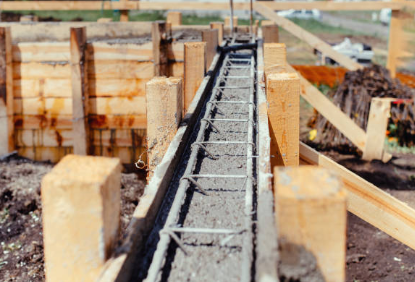
Why Preparation Matters for Beginners
Beginners often rush to assemble formwork without preparing properly. As a result, they meet problems during casting that they cannot fix in time.
Furthermore, poor preparation causes:
- Concrete leaking through gaps.
- Panels sticking to the concrete.
- Wrong dimensions and levels.
- Formwork movement or collapse.
- Wasted materials and lost time.
Therefore, preparation protects both the worker and the finished concrete. In fact, experienced technicians spend more time on preparation than on assembly itself.
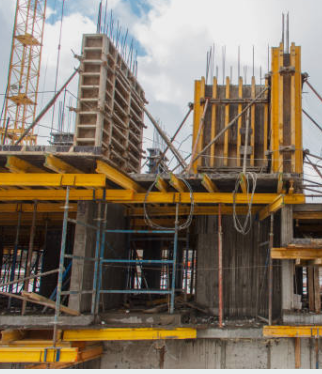
Tools and Materials You Need
Before starting, gather everything you need. Consequently, you avoid stopping work midway to search for tools.
Tools
- Tape measure
- Try square and builder’s square
- Spirit level and plumb bob
- Handsaw and hammer
- Claw hammer and pincers
- Marking pencil or crayon
- Line and pins
- Wheelbarrow or bucket for debris
Materials
- Plywood panels or timber boards
- Battens, walings, and soldiers
- Props and braces
- Tie rods, clamps, and wedges
- Nails, screws, and bolts
- Release agent
- Sealant or tape
- Spacers and cover blocks
Safety Equipment
- Overall
- Safety boots
- Helmet
- Gloves
- Safety goggles
- High-visibility vest
Step-by-Step Preparation of Building Formwork
The following steps apply to most formwork elements. Moreover, beginners should practise them in this order until the sequence becomes natural.
Step 1: Read the Working Drawing
First, study the working drawing carefully. Identify the element to be cast, such as a column, beam, wall, or footing. Then, note its dimensions, levels, and reinforcement details.
In addition, confirm the formwork type specified. For example, the drawing may call for plywood panels with timber framing.
Step 2: Check the Site and Work Area
Next, inspect the work area. Clear away debris, tools, and materials that are not needed. Moreover, confirm that the ground or slab is firm and level where the formwork will stand.
If the base is soft, compact it. Furthermore, place sole plates under props to spread the load.
Step 3: Select and Inspect Materials
Now select the formwork materials. Check each panel and member for damage. Consequently, reject any item that shows:
- Warping or twisting.
- Splitting or delamination.
- Corrosion on metal parts.
- Cracked or bent props.
Defective materials cause leakage and collapse. Therefore, never use them.
Step 4: Clean the Formwork Surfaces
Clean all contact surfaces before assembly. Remove old concrete, nails, and dust. Moreover, scrape off any hardened mortar with a scraper or wire brush.
As a result, the panels sit tightly together, and the concrete surface stays smooth.
Step 5: Apply Release Agent
Next, apply a release agent evenly across the contact surfaces. Use a brush or spray according to the manufacturer’s instructions.
Consequently, the concrete does not bond to the formwork, and stripping becomes easy. In addition, re-apply the agent if assembly disturbs the coating.
Step 6: Set Out the Formwork Position
Then, set out the formwork outline on the ground or slab. Use a tape measure, line, and builder’s square. Furthermore, mark centrelines and edge lines clearly with a pencil or crayon.
Accurate setting out ensures the concrete element lands in the correct position. Therefore, check dimensions and diagonals before proceeding.
Step 7: Prepare the Base and Supports
Confirm that the base is firm and level. Moreover, place sole plates or packing under props where needed. In addition, check that the base can carry the weight of the formwork and wet concrete.
Step 8: Position Reinforcement and Inserts
Check that reinforcement is in place and correctly spaced. Then, fix spacers and cover blocks so the steel maintains the specified cover. Moreover, position any inserts, sleeves, or cast-in items before erection closes them in.
Step 9: Dry-Assemble and Check
Before fixing everything permanently, dry-assemble the panels. Check internal dimensions with a tape measure. In addition, check diagonals for squareness.
If the diagonals are equal, the shape is square. If not, adjust the panels until they match.
Step 10: Organise Tools and Access
Finally, assemble all tools within reach. Confirm that PPE is worn. In addition, provide safe access to the work area, such as a scaffold or working platform.
Key Checks Before Casting
Preparation ends with a final check. Therefore, confirm the following items before concrete arrives.
- Dimensions match the drawing.
- Diagonals are equal (squareness).
- Panels are plumb and level.
- Joints are tight and sealed.
- Tie rods and clamps are tight.
- Props and braces are secure.
- Release agent covers all surfaces.
- Reinforcement cover is correct.
- Inserts and openings are in position.
- The work area is clean and safe.
Only after a satisfactory check should casting proceed. Consequently, you prevent bulging, leakage, and collapse.
Common Beginner Mistakes to Avoid
Beginners make predictable errors. Therefore, learn from the following list and avoid them.
- Skipping the working drawing and guessing dimensions.
- Using warped or damaged panels.
- Forgetting to apply release agent.
- Leaving gaps between panels that leak mortar.
- Bearing props on soft or sloping ground.
- Failing to check diagonals for squareness.
- Ignoring the specified concrete cover.
- Leaving tools and debris inside the formwork.
- Rushing the final inspection.
Simple Tips for Beginners
The following tips help beginners work faster and more accurately.
First, measure twice and cut once. Second, keep your tools sharp and organised. Third, check squareness early, because correcting it later is difficult. Fourth, tighten fixings evenly, not one side at a time. Fifth, clean as you go, so debris does not build up. Finally, ask your supervisor whenever you are unsure.
Conclusion
Preparing building formwork follows a clear sequence: read the drawing, check the site, select materials, clean and treat surfaces, set out, prepare supports, check reinforcement, dry-assemble, and organise tools. When beginners follow this order, they produce accurate and safe formwork.
Moreover, preparation is the foundation of good concrete work. Therefore, never rush it. As a result, casting proceeds smoothly, and the finished element meets specification.
Frequently Asked Questions
What is the first step in preparing building formwork?
The first step is to read and understand the working drawing. It gives the dimensions, levels, and formwork type required.
Why do I need a release agent on formwork?
A release agent prevents concrete from bonding to the formwork. Consequently, the formwork strips cleanly, and the concrete surface stays smooth.
How do I check if formwork is square?
Measure both diagonals of the panel or cavity. If they are equal, the shape is square. If they differ, adjust until they match.
What should I check before casting concrete?
Check dimensions, squareness, plumbness, joints, ties, props, release agent, cover, and cleanliness. Only proceed after a satisfactory inspection.
Can I use damaged plywood for formwork?
No. Damaged plywood leaks mortar and produces a poor finish. Therefore, reject warped, split, or delaminated panels.