
PPE for timbering works forms the first line of defence against injury on any excavation site. This guide explains the personal protective equipment required for timbering operations, why each item matters, and how to use and maintain it correctly.
Introduction: Why PPE for Timbering Works Matters
Timbering works expose technicians to serious hazards. Falling timber, flying wood chips, sharp tools, and collapsing soil can all cause injury. Therefore, personal protective equipment, commonly called PPE, is mandatory on site.
Moreover, PPE for timbering works is not a single item. Instead, it is a complete set of equipment that protects the whole body. Consequently, every building technician must understand what to wear, when to wear it, and how to keep it in good condition.
In addition, the TVET CDACC assessment for Perform Building Temporary Works awards marks specifically for donning PPE before starting work. Therefore, PPE competence is both a safety requirement and a graded skill.
What Is PPE?
PPE stands for personal protective equipment. It refers to clothing and equipment worn by a worker to reduce exposure to hazards. Furthermore, PPE acts as a barrier between the worker and the danger.
However, PPE is the last line of defence. In other words, it does not remove the hazard; it only reduces the harm. Therefore, technicians must combine PPE with safe work practices, correct tools, and proper timbering design.
The Main Hazards in Timbering Works
Before selecting PPE, technicians should understand the hazards they face. These hazards fall into several groups.
Physical Hazards
Falling timber members, rolling struts, and collapsing trench walls pose the greatest risk. Moreover, workers handle heavy walings and poling boards manually, which causes strains and crush injuries.
Impact and Cut Hazards
Hand tools such as handsaws, chisels, and axes cause cuts. Furthermore, flying wood chips and splinters injure the eyes and skin. In addition, sledgehammers and mauls can strike the hands and feet.
Noise Hazards
Hammering, sawing, and driving poling boards generate high noise levels. Consequently, prolonged exposure damages hearing.
Dust and Chemical Hazards
Excavation raises dust, which irritates the lungs and eyes. Moreover, preservative-treated timber contains chemicals such as creosote, which harm the skin.
Environmental Hazards
Sun exposure, rain, and muddy ground increase the risk of slips, falls, and heat stress. Furthermore, working at depth in a trench limits escape routes.
Biological Hazards
Stagnant water and contaminated soil may carry bacteria. Therefore, cuts and abrasions must be protected from infection.
Essential PPE for Timbering Works
The following items form the minimum PPE set for timbering operations. Each item addresses one or more of the hazards described above.
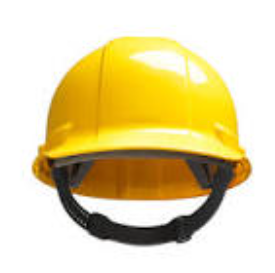
1. Safety Helmet (Hard Hat)
A safety helmet protects the head from falling timber, tools, and spoil. Moreover, it shields the head from bumps when working in confined trenches.
Choose a helmet that fits snugly and fasten the chin strap. In addition, replace any helmet that shows cracks, deep scratches, or impact damage.
2. Safety Boots
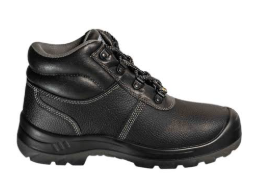
Safety boots protect the feet from falling members, sharp objects, and nail punctures. Therefore, choose boots with steel toe caps and puncture-resistant soles.
Furthermore, the soles should have good grip for muddy and wet ground. In addition, keep boots clean and check them regularly for splits.
3. Overall (Coveralls)
An overall protects the skin from dirt, splinters, and chemical contact. Moreover, it prevents loose clothing from catching on tools or timber.
Choose a close-fitting overall that allows free movement. In addition, avoid torn garments, because they snag easily.
4. Hand Gloves
Gloves protect the hands from splinters, cuts, and abrasion. Furthermore, they reduce skin contact with preservative-treated timber.
However, choose gloves suited to the task. For instance, leather gloves suit handling rough timber, while rubber gloves suit wet or chemical work. In addition, never wear gloves near rotating machinery, because they can catch and pull the hand in.
5. Safety Goggles or Spectacles
Eye protection shields the eyes from flying chips, dust, and splashes. Therefore, wear goggles during sawing, chiselling, and hammering.
Moreover, choose anti-fog and impact-resistant lenses for humid conditions. In addition, keep lenses clean for clear vision.
6. High-Visibility Vest
A high-visibility vest makes the technician visible to plant operators and other workers. Consequently, it reduces the risk of struck-by accidents.
Wear the vest over the overall, and keep it clean so the reflective strips remain effective.
7. Ear Protection
Ear defenders or earplugs reduce noise exposure during hammering and sawing. Therefore, wear them whenever noise levels exceed safe limits.
Moreover, choose ear defenders that fit comfortably over the helmet. In addition, clean reusable earplugs regularly.
8. Respiratory Protection
A dust mask protects the lungs from excavation dust and wood dust. Furthermore, where preservative-treated timber is cut, use a mask rated for chemical particles.
In addition, ensure the mask fits tightly around the nose and mouth. Replace disposable masks when they become damp or clogged.
9. Harness and Fall Protection
Where technicians work near deep trench edges or at height, fall protection is essential. Therefore, wear a full-body harness attached to a secure anchor point.
Moreover, inspect the harness before each use. In addition, replace any harness that shows fraying, corrosion, or impact damage.
10. Waterproof Clothing
Waterproof jackets and trousers keep the body dry during rain or in wet ground. Consequently, they reduce the risk of cold stress and slipping.
In addition, choose breathable fabrics to prevent overheating.
PPE Selection by Task
Different timbering tasks require different PPE combinations. The table below summarises the minimum requirements.
| Task | Essential PPE |
| Site entry and general work | Helmet, boots, overall, high-vis vest |
| Excavating trench | Above plus gloves, goggles, dust mask |
| Cutting and sawing timber | Above plus ear protection |
| Driving poling boards | Above plus ear protection, heavy gloves |
| Handling treated timber | Above plus chemical-resistant gloves, mask |
| Working near trench edge | Above plus fall protection harness |
| Working in rain or wet ground | Above plus waterproof clothing |
How to Use PPE Correctly
Correct use ensures that PPE delivers the protection it promises. Therefore, follow these practices.
First, inspect each item before wearing it. Second, adjust the fit so the equipment stays in place. Third, wear PPE for the entire duration of the task, not just at the start.
Moreover, replace damaged items immediately. In addition, never modify PPE, because modification voids its protection.
Finally, remove PPE carefully after work to avoid contaminating the skin. Then, clean and store it properly.
Maintenance and Storage of PPE
PPE lasts longer when maintained well. Moreover, clean PPE performs better and reduces skin irritation.
- Clean regularly – wash overalls and vests, wipe helmets and boots.
- Dry thoroughly – damp PPE loses effectiveness and breeds bacteria.
- Inspect before use – check for cracks, tears, and worn soles.
- Store in a dry, clean place – avoid direct sunlight, which degrades materials.
- Replace on schedule – follow manufacturer guidance for replacement intervals.
- Record issues – report defective PPE to the supervisor immediately.
Legal and Regulatory Requirements
PPE is a legal requirement in most jurisdictions. For example, OSHA regulations require employers to provide PPE at no cost to workers. Furthermore, employers must train workers on correct use and maintenance.
In addition, the Health and Safety Executive in the United Kingdom requires PPE to be suitable for the risk and to fit the wearer. Similarly, the TVET CDACC curriculum in Kenya requires candidates to don PPE according to Standard Operating Procedures.
Therefore, compliance is both a legal duty and a professional standard.
Common PPE Mistakes to Avoid
Many injuries result from simple PPE errors. Therefore, avoid the following common mistakes.
- Wearing a helmet without fastening the chin strap.
- Using worn boots with damaged soles.
- Removing gloves because they feel uncomfortable.
- Skipping eye protection for “quick” cuts.
- Wearing loose clothing that catches on tools.
- Reusing disposable masks beyond their life.
- Leaving PPE in the sun, which degrades materials.
- Sharing PPE without cleaning it between users.
PPE Checklist for Timbering Works
Before starting work, confirm that you have the following items.
- □
Safety helmet with chin strap
- □
Safety boots with steel toe caps
- □
Overall or coveralls
- □
Hand gloves (leather and chemical-resistant)
- □
Safety goggles or spectacles
- □
High-visibility vest
- □
Ear defenders or earplugs
- □
Dust mask or respirator
- □
Fall protection harness (where required)
- □
Waterproof clothing (where required)
Conclusion
PPE for timbering works protects technicians from a wide range of hazards, including falling timber, cuts, noise, dust, and chemical exposure. When workers wear the correct equipment, inspect it regularly, and maintain it properly, they reduce the risk of injury significantly.
Moreover, PPE supports safe work practices rather than replacing them. Therefore, combine PPE with correct timbering design, safe erection and dismantling procedures, and good housekeeping. As a result, timbering operations proceed safely, and every worker returns home unharmed.
Frequently Asked Questions
What PPE is required for timbering works?
The minimum PPE includes a safety helmet, safety boots, overall, gloves, goggles, and a high-visibility vest. Ear protection, dust masks, and fall harnesses are added where the task demands them.
Why is a high-visibility vest important in timbering works?
A high-visibility vest makes the technician visible to plant operators and other workers, which reduces the risk of struck-by accidents.
How often should PPE be inspected?
Inspect PPE before every use. In addition, carry out a more detailed check weekly and after any impact or damage.
Can I wear gloves while using a handsaw?
Yes. Leather gloves protect the hands during sawing. However, never wear gloves near rotating machinery, because they can catch and pull the hand in.
What should I do with damaged PPE?
Remove damaged PPE from service immediately, report it to the supervisor, and replace it before continuing work.