
Introduction
Why Avoiding Building Mistakes is Non-Negotiable
Embarking on a construction or renovation project is a significant investment of both money and emotion. Yet, time and again, homeowners and even seasoned professionals fall prey to the same preventable general building mistakes. These errors can range from minor annoyances to catastrophic failures, leading to skyrocketing budgets, delayed timelines, and compromised structural integrity. This guide will walk you through the most common and costly general building mistakes, providing you with the knowledge to spot them early and ensure your project is built on a solid foundation literally and figuratively.

1. The Foundation of Failure: Poor Planning and Inadequate Budgeting
The most significant general building mistakes happen before a single nail is hammered.
- Mistake: Jumping into construction without detailed plans, realistic timelines, and a comprehensive budget that includes a contingency fund (typically 10-20%).
- Consequence: Project paralysis, constant change orders, financial strain, and corners being cut on materials or labour.
- The Fix: Invest in professional architectural or design plans. Create a line-item budget. Use project management tools and always, always have a contingency fund. For more on this, see our guide on creating a failsafe construction budget.
2. The Critical Oversight: Skipping or Rushing Permits and Inspections
This is a legal and safety misstep of the highest order.
- Mistake: Assuming a project doesn’t require a permit or trying to “fly under the radar” to save time.
- Consequence: Fines, forced demolition of completed work, difficulty selling the home, and voided insurance in case of a failure. Most tragically, it can create unsafe living conditions.
- The Fix: Always check with your local building department. Factor permit timelines into your schedule. Never pressure an inspector or bypass a required inspection phase. Resources like the International Code Council (ICC) outline why these codes exist for safety.
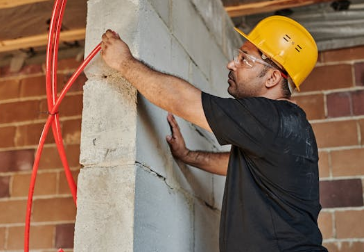
3. Compromising on the Invisible: Substandard Materials and Workmanship
What you don’t see can hurt you.
- Mistake: Choosing the cheapest bids without vetting contractors or using low-grade materials (e.g., inferior lumber, cheap fasteners, non-rated drywall) to cut costs.
- Consequence: Reduced longevity, higher maintenance costs, safety hazards (like electrical fires), and poor energy efficiency.
- The Fix: Vet contractors thoroughly check licences, insurance, and past client references. Prioritise quality in structural and mechanical components. Remember: good work isn’t cheap, and cheap work isn’t good.
4. Ignoring the Envelope: Flaws in Water and Air Management
A building’s primary job is to separate the inside from the outside. Failure here is devastating.
- Mistake: Improper flashing, inadequate waterproofing, poor vapour barrier installation, and insufficient insulation.
- Consequence: Chronic moisture intrusion, mould growth, rot, structural damage, skyrocketing energy bills, and poor indoor air quality.
- The Fix: Ensure proper detailing at all penetrations (windows, doors, roofs). Use high-quality house wrap and install it correctly. Don’t overlook proper attic and crawl space ventilation. Our article on preventing moisture damage in new builds dives deeper.
5. The Domino Effect: Poor Sequencing and Project Management
Construction is a complex dance, and missing a step causes a chain reaction.
- Mistake: Installing drywall before electrical and plumbing are fully signed off, painting before cabinets are in, or having trades on site without proper coordination.
- Consequence: Damaged finished work, rework, wasted materials, and immense frustration for all parties.
- The Fix: Develop and adhere to a critical path schedule. The general contractor or project manager must communicate daily and coordinate all subcontractors effectively.
6. Overlooking Practicalities: Ignoring Future Access and Maintenance
Buildings need upkeep. Failing to plan for it is a major general building mistake.
- Mistake: Installing a shower valve without an access panel, building a deck with no way to inspect the ledger board, or placing HVAC equipment in a completely inaccessible attic space.
- Consequence: Exorbitant repair costs in the future when a simple fix requires breaking open finished walls.
- The Fix: Always ask, “How will this be serviced or repaired?” Install access panels for critical shut-offs and mechanicals. Design with maintenance in mind.
7. Sacrificing Function for Form: Impractical Design Choices
A beautiful design that doesn’t work for daily life is a failure.
- Mistake: Prioritising aesthetics over functionality, e.g., choosing a stunning but fragile countertop material, installing insufficient lighting, or creating a beautiful but completely impractical floor plan.
- Consequence: Disappointment, daily inconvenience, and reduced home value for resale.
- The Fix: Balance aesthetics with durability and liveability. Think about workflow in kitchens and bathrooms, furniture placement in living areas, and storage needs. Live in the design before finalising it.
8. The DIY Trap: Undertaking Tasks Beyond Your Skill Level
While DIY can save money, overestimating your ability is a classic general building mistake.
- Mistake: A homeowner attempting complex structural, electrical, or plumbing work without proper knowledge, permits, or tools.
- Consequence: Creating immediate safety hazards, failing inspections, and costing far more to fix than it would have to hire a pro initially.
- The Fix: Be brutally honest about your skills. Hire licensed professionals for all structural, electrical, plumbing, and gas work. Save DIY for painting, trim work, or landscaping.
9. Communication Breakdown: Assuming Instead of Confirming
This mistake underpins many of the others.
- Mistake: Assuming everyone is on the same page regarding design details, material selections, and project milestones without written confirmation.
- Consequence: Errors in execution, conflict, and costly change orders to redo work.
- The Fix: Document everything. Use detailed plans, written change orders, and daily logs. Take progress photos. Over-communicate with your contractor and designer.
10. The Final Hurdle: Neglecting the Final Punch List
Rushing to the finish line can leave loose ends that fray quickly.
- Mistake: Considering the project “done” when the major work is finished, without a formal walk-through to identify incomplete or deficient items.
- Consequence: Living with unfinished details (touch-up painting, misaligned doors, faulty outlets) that the contractor may no longer feel obligated to fix.
- The Fix: Create a detailed punch list with your contractor. Do not make the final payment until every item is completed to your satisfaction.
Conclusion: Build Smart, Build Right
Avoiding these general building mistakes is the key to transforming a stressful, costly endeavour into a successful and rewarding project. It boils down to three pillars: thorough planning (with professional help), quality execution (with vetted professionals), and proactive communication (with everything documented). By educating yourself on these common pitfalls, you move from being a passive client to an informed partner. This vigilance protects your investment, ensures your safety, and ultimately leads to a building that stands the test of time, free from the flaws of avoidable general building mistakes.
Remember: when in doubt, consult a professional. The cost of expert advice upfront is always less than the cost of repairing a major building error.