
Introduction: How to Spot the Telltale Signs of Poor Workmanship
Hiring a contractor is an act of trust, but the final result doesn’t always live up to expectations. Recognising the signs your contractor did a bad job is crucial to addressing issues before they become costly, dangerous, or permanently embedded in your home. Poor workmanship manifests in both glaringly obvious flaws and subtle, hidden defects that compromise safety, efficiency, and longevity. This guide will arm you with the knowledge to identify the key warning signs of substandard contracting work, from cosmetic imperfections to critical structural failures, so you can hold professionals accountable and ensure your project meets the quality standard you paid for.
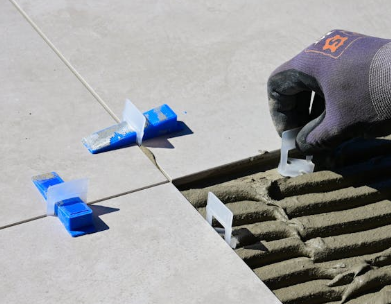
Visible poor workmanship in tile installation, a clear sign of a bad contracting job.
1. The Crooked Truth: Misaligned Finishes and Poor Layout
Shoddy work screams at you from the walls, floors, and ceilings.
- The Sign: Uneven tile lines (“lippage”), wavy or bubbled drywall seams, crooked cabinet installations, doors and windows that don’t open smoothly or sit flush in their frames, and sloppy paint lines.
- Why It’s a Problem: This is the most visible evidence of substandard workmanship. It shows a lack of care, precision, and basic skill. Beyond aesthetics, misaligned doors and windows can indicate improper framing installation.
- What to Do: Point out these issues immediately. Do not make final payment until they are corrected. A professional should take pride in straight, clean lines.
2. The Structural Shortcut: Framing and Foundation Red Flags
The bones of your project must be right; errors here are the most serious.
- The Sign: Floors that feel bouncy or sag, walls that are not plumb (vertical), ceilings that aren’t level, cracks radiating from door/window corners in new drywall, and foundation cracks that are wider than a credit card.
- Why It’s a Problem: These are potential signs of serious contractor failure in structural integrity. Bouncy floors may indicate undersized or improperly spaced joists. Wall cracks can signal foundation settlement or poor framing.
- What to Do: Consult a structural engineer immediately if you suspect these issues. Do not let the contractor dismiss them as “normal settling”. Refer to our guide on identifying serious structural defects for more details.
3. The Watery Grave: Evidence of Leaks and Improper Sealing
Water damage is a relentless destroyer, and its early signs are often due to installation errors.
- The Sign: Water stains on ceilings or walls after the first rain, mould or mildew growth in new bathrooms, damp spots in the basement, and caulking that is missing, peeling, or poorly applied around tubs, sinks, and exterior trim.
- Why It’s a Problem: This indicates failed poor workmanship in waterproofing and flashing. Leaks hidden inside walls lead to rot, mould, and structural damage that is exponentially more expensive to fix later.
- What to Do: Demand a leak investigation and repair. A reputable contractor will use moisture metres and thermal cameras to find the source. Proper sealing is non-negotiable.
4. The Electrical and Plumbing Guesswork: Dangerous System Installations
Faulty mechanical work is often hidden but poses extreme safety risks.
- The Sign: Electrical outlets or switches that are loose, hot to the touch, or spark when used; inconsistent water pressure; slow drains; and sewer gas odours. Exposed wiring or poorly secured pipes are major red flags.
- Why It’s a Problem: This is a cardinal sign of bad contracting work. Improper electrical work can cause fires. Faulty plumbing can lead to leaks, water damage, and health hazards.
- What to Do: Hire a licensed, independent electrician and plumber to inspect the work. This is for your safety. Never accept a final sign-off without verifying these systems passed inspection.
5. The Inefficiency Leak: Gaps in Insulation and Air Sealing
Poorly installed insulation is a flaw you feel in your comfort and your wallet.
- The Sign: draughty rooms, extreme temperature differences between floors, and skyrocketing energy bills after a renovation or new build. Visibly missing insulation in an attic or crawl space is a direct indicator of bad contractor work.
- Why It’s a Problem: It shows the contractor ignored building science. Gaps and compression in insulation drastically reduce its R-value, making the HVAC system work harder and costing you money for decades.
- What to Do: An energy audit with a blower door test can quantify the air leakage. Require the contractor to properly air-seal and reinstall insulation to meet modern standards.
6. The Cleanup Cop-Out: Leaving a Hazardous or Messy Site
A contractor’s job isn’t done until the site is clean and safe.
- The Sign: Leaving behind piles of debris, nails in the yard, paint spills, dust-covered surfaces, and unused materials scattered about. This demonstrates a clear lack of professional pride and respect for your property.
- Why It’s a Problem: Beyond being unprofessional, it’s a safety hazard and shows a disregard for the final product. It often correlates with rushed, careless work in the areas you can’t see.
- What to Do: Specify cleanup expectations in the contract. Withhold final payment until the site is “broom clean” and all waste is properly disposed of.
7. The Documentation Void: Missing Permits, Plans, and Manuals
Professional work is documented work. A lack of paperwork is a major red flag.
- The Sign: The contractor cannot provide you with copies of building permits, finalised architectural plans, warranties for installed products, or manuals for new appliances and systems.
- Why It’s a Problem: Missing permits can cause legal and insurance issues when you sell your home. Lack of warranties and manuals leaves you vulnerable to future repair costs. It suggests an unprofessional or unlicensed operation.
- What to Do: Request all documentation before work begins and as a condition of final payment. Verify permit status with your local building department.
Conclusion: From Inspection to Resolution
Identifying poor workmanship is the critical first step in protecting your investment. Trust your eyes, your instincts, and this checklist of signs your contractor did a bad job. When you spot these issues, act decisively: document everything with photos and dates, communicate problems in writing, and be prepared to involve third-party inspectors or legal counsel if the contractor is unresponsive. Remember, quality workmanship is defined by precision, care, and adherence to codes—not just the absence of a disaster. By being a vigilant client, you ensure your home is built or renovated to a standard of safety, efficiency, and beauty that will last.