
Introduction: The True Cost of Choosing Cheap Construction
The allure of a low bid is powerful, but it often masks a dangerous truth: cheap construction ends up expensive in the long run. Opting for the lowest-priced contractor or the most budget-friendly materials is a classic false economy that can saddle property owners with exorbitant repair bills, crippling energy costs, and a rapidly depreciating asset. This guide explores the inevitable financial consequences of cutting corners, demonstrating how the short-term savings of cheap building invariably lead to long-term financial pain. By understanding the hidden costs and risks, you can make informed decisions that prioritise value and longevity over the illusion of an initial bargain.

The long-term financial outcome proves why cheap construction ends up expensive.
1. The Material Mirage: Substandard Products and Premature Failure
The core of cheap construction is often built with inferior materials destined to fail.
- The Corner Cut: Using low-grade lumber, under-specified roofing, cheap fasteners, and plumbing fixtures not built to last.
- Why It Ends Up Expensive: These materials degrade quickly. Roofs leak in a few years, decks rot, and fixtures break, necessitating full-scale replacements long before a quality build would need even maintenance. The cost to replace a roof or re-side a house dwarfs the initial “savings”.
2. The Labor Shortcut: Unskilled Workmanship and Rushed Jobs
A low bid often means paying for less-skilled labour or forcing a rushed timeline.
- The Corner Cut: Hiring unlicensed or inexperienced workers who lack the expertise for proper detailing, flashing, and structural connections.
- Why It Ends Up Expensive: Poor workmanship leads directly to the hidden flaws that make cheap construction costly: water intrusion, uneven foundations, and faulty wiring. Fixing these errors requires paying a skilled professional to undo and redo the work, often at double the cost. Our guide on vetting contractors for quality, not just price, is essential.
3. The Efficiency Trap: Sky-High Operating Costs
A cheap build almost always neglects the systems that determine long-term operating expenses.
- The Corner Cut: Installing low-efficiency HVAC, minimal insulation, cheap windows, and inadequate air sealing.
- Why It Ends Up Expensive: The monthly energy bills are a permanent financial drain. Over 15 years, the extra thousands spent on utilities will far exceed the upfront cost of quality insulation and high-efficiency equipment. This is a prime example of the false economy of cheap building.
4. The Regulatory Gamble: Code Violations and Permit Issues
Cutting costs often means cutting legal corners, with severe financial penalties.
- The Corner Cut: Skipping permits, ignoring code requirements for structural elements, or using unapproved materials.
- Why It Ends Up Expensive: Fines from building departments can be severe. Unpermitted work can halt a sale, require expensive tear-outs, and void insurance claims. The International Code Council emphasises that codes exist for safety and durability; bypassing them is a major financial risk.
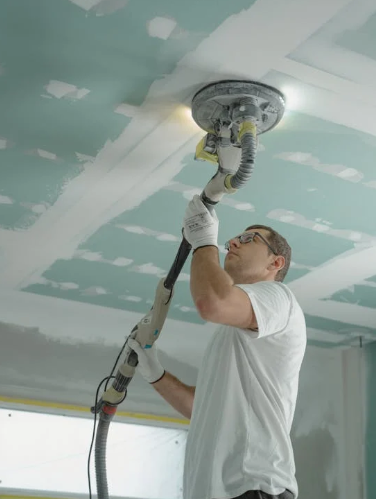
The expensive repair bill reveals why cheap construction ends up costing more.
5. The Warranty Void: Lack of Guarantees and Professional Oversight
Reputable builders stand behind their work; cheap operators often disappear.
- The Corner Cut: Working with a contractor who offers no meaningful warranty, is uninsured, or uses subcontractors without proper licensing.
- Why It Ends Up Expensive: When a major flaw appears, you have no recourse. You become solely responsible for the full repair cost, turning a construction defect into a personal financial disaster.
6. The Resale Roadblock: Depreciated Value and Inspection Nightmares
A cheaply built property is a liability on the market.
- The Corner Cut: Using dated designs, poor-quality finishes, and layouts that don’t meet modern standards.
- Why It Ends Up Expensive: The property will appraise for less and sit on the market longer. A pre-sale inspection will reveal a long list of defects, forcing you to either make costly repairs or slash the sale price dramatically. This is the ultimate proof that cheap construction ends up expensive.
7. The Time Tax: Constant Repairs and Lost Productivity
The hidden cost of cheap construction is the endless demand for your time and attention.
- The Corner Cut: Overlooking long-term maintenance needs and durability in favour of speed and low cost.
- Why It Ends Up Expensive: You become the de facto maintenance crew for a failing building. Leaks, breakdowns, and repairs consume weekends, vacation time, and mental energy—a significant lifestyle and productivity cost that is never reflected in the initial bid.
Conclusion: Investing in Value, Not Just Price
The cycle proving why cheap construction ends up expensive is predictable and avoidable. True value in building comes from investing in quality materials, skilled craftsmanship, robust design, and energy efficiency from the outset. It requires viewing construction not as a one-time cost but as a long-term investment in an asset’s performance, safety, and durability. By choosing to pay for quality upfront, you secure not just a building but peace of mind, predictable expenses, and a valuable asset that stands the test of time. Remember, you can’t afford cheap construction—because in the end, it always costs you more.