
Introduction: Why the Right Concrete Mix is Non-Negotiable
The foundation of any structure is only as strong as the concrete it’s made from. Using the wrong concrete mix in foundations is a fundamental construction error that compromises the entire building’s integrity from the ground up. This mistake isn’t always visible at the pour but manifests over time through cracks, spalling, and catastrophic settlement. Selecting an incorrect mix—whether due to cost-cutting, misunderstanding specifications, or poor site practices—directly leads to a weak foundation concrete mix incapable of bearing design loads or resisting environmental stresses. This guide details the critical consequences of this error and how to ensure the concrete in your foundation is specified, delivered, and placed correctly.
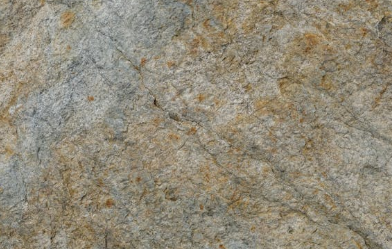
The visual result of using a wrong concrete mix versus a correct mix in foundation construction.
1. The Strength Shortfall: Under-Specified Compressive Strength
Concrete strength (measured in psi) is its most critical property for supporting load.
- The Error: Ordering or accepting a mix with a lower compressive strength (e.g., 2,500 psi) than what the structural engineer specified (typically 3,000 psi or higher for foundations).
- The Consequence: The foundation cannot handle the building’s weight or soil pressures. This leads to foundation cracking under load, crushing of concrete at support points, and increased risk of shear failure in footings and walls. It is a primary cause of premature foundation failure.
- The Prevention: The mix design must be on the structural plans. Verify the psi on the truck’s delivery ticket before the pour. For critical applications, order break tests on field-cured cylinders to confirm strength gain.
2. The Watery Weakness: High Water-to-Cement Ratio and Excessive Slump
Adding too much water on-site is the most common way to ruin a perfect mix design.
- The Error: Allowing the crew to add excessive water to the concrete truck to increase “workability” or slump, drastically weakening the final product.
- The Consequence: Every extra gallon of water dilutes the cement paste, increasing porosity and reducing ultimate strength by up to 50%. This creates a weak, porous foundation prone to cracking, shrinkage, and increased permeability to water and corrosive chemicals. Our guide on proper concrete placement and finishing covers this vital process.
- The Prevention: Order the correct slump (typically 4-5 inches for foundations) from the plant. Supervise the pour and prohibit unauthorised water addition. Use plasticisers or superplasticisers if more workability is needed without adding water.
3. The Missing Defender: Lack of Air-Entrainment in Freeze-Thaw Climates
In cold climates, concrete needs microscopic air bubbles to survive winter.
- The Error: Using a non-air-entrained mix for exterior foundations, footings, or slabs in regions subject to freezing temperatures.
- The Consequence: Without these tiny, evenly distributed air voids, water trapped in the concrete expands when it freezes. This causes internal pressure that results in concrete spalling and scaling, where the surface literally explodes off in layers, exposing rebar to corrosion and accelerating deterioration.
- The Prevention: Specify air-entrained concrete (typically 5-7% air content) for all exterior concrete in frost-prone areas. The American Concrete Institute (ACI) provides detailed specifications for durable concrete in severe climates.
4. The Corrosion Catalyst: Wrong Mix for Sulfate-Rich Soils or Seawater
Certain environments are chemically aggressive to standard concrete.
- The Error: Using a standard Type I/II Portland cement mix in contact with soils or water high in sulphates or chlorides (common in coastal or some agricultural areas).
- The Consequence: Sulphates react with cement compounds, causing expansion and cracking. Chlorides from seawater or de-icing salts penetrate concrete and corrode reinforcing steel, leading to expansion and spalling. This chemical attack on foundations is severe and progressive.
- The Prevention: A soil test will identify chemical hazards. Specify sulphate-resistant cement (Type V) and a low-permeability mix design with a low water-cement ratio for these environments.
5. The Shrinkage Problem: Missing Shrinkage-Reducing Components
All concrete shrinks as it cures, but excessive shrinkage causes cracks.
- The Error: Using a mix with high shrinkage potential and not incorporating fibres, shrinkage-reducing admixtures (SRAs), or sufficient curing.
- The Consequence: Uncontrolled drying shrinkage leads to extensive plastic shrinkage cracks (early) and drying shrinkage cracks (long-term). These cracks compromise structural integrity, increase water permeability, and provide pathways for corrosion.
- The Prevention: Discuss shrinkage control with your ready-mix supplier. Consider adding polypropylene fibres or an SRA to the mix. Most importantly, cure the concrete properly to control the rate of moisture loss.
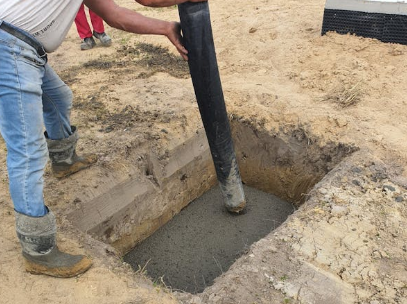
Preventing a weak foundation mix by prohibiting unauthorised water addition to concrete.
6. The Placement Peril: Improper Consolidation Around Rebar
Even the perfect mix can fail if not placed correctly around reinforcement.
- The Error: Failing to adequately vibrate concrete when placing it in forms, especially around dense rebar cages in footings and walls.
- The Consequence: This leaves honeycombs and voids in the concrete, especially around rebar. These voids create severe weak points, reduce bond strength between steel and concrete, and allow water direct access to the rebar, triggering rapid corrosion.
- The Prevention: Use internal vibration probes to consolidate concrete in layers, ensuring it flows completely around all rebar and into all corners of the formwork.
7. The Curing Catastrophe: Neglecting the Concrete After the Pour
Curing is when concrete gains its strength; neglecting it wastes a good mix.
- The Error: Failing to keep the concrete moist and at a proper temperature for a sufficient period (usually a minimum of 7 days).
- The Consequence: Rapid moisture loss halts the hydration process, resulting in a weak, dusty surface and low overall strength. Thermal cracking can occur if the temperature differential between the core and surface is too high. This improper concrete curing turns a correct mix into a defective product.
- The Prevention: Cure immediately after finishing. Use wet burlap, plastic sheeting, or liquid curing compounds. In hot or cold weather, take extra precautions to control the temperature of the concrete.
Conclusion: Specify, Verify, and Protect the Mix
Using the wrong concrete mix in foundations is an error with a long, costly, and dangerous legacy. It underscores that a foundation is an engineered structural component, not just a mass of “rock and water. “Prevention is a three-part process: 1) Specify the exact mix design on the structural plans, 2) Verify the delivered mix against that specification before and during the pour, and 3) Protect the integrity of the mix through proper placement, consolidation, and curing. By treating the concrete mix with the engineering respect it demands, you ensure the foundation—and the entire structure it supports—is built to last.