
Introduction:
Understanding Why Some Buildings Crack Prematurely
Noticing cracks in a new building within the first few months is alarming and often points to underlying construction flaws. These are not the harmless, cosmetic “settling” cracks that may appear over years. Instead, they are often signs of preventable stress and failure. Understanding why some buildings crack after a few months is crucial for builders and owners alike. This guide explores the seven primary causes of premature building cracks, from soil movement to concrete curing errors. By identifying these issues early, you can address their root causes and protect the structural integrity and value of your investment.
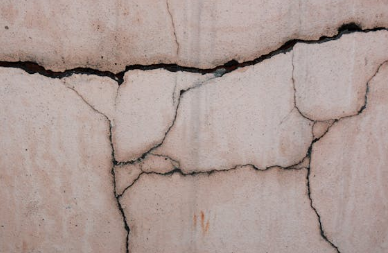
A serious structural crack in a new building, a key sign of premature failure.
1. The Unstable Base: Differential Foundation Settlement causes premature cracking
This is the single most common cause of serious, premature structural cracking.
- The Cause: Building on improperly compacted fill soil or soil with varying bearing capacities. When different parts of the foundation settle at unequal rates, immense stress cracks the superstructure.
- Why It Happens So Fast: The greatest settlement occurs under the initial load. If the soil wasn’t prepared correctly, this movement happens rapidly as the building’s weight is applied, leading to cracks in walls, floors, and around doors/windows within the first rainy season or heating cycle.
- How to Prevent It: A thorough geotechnical investigation is non-negotiable. All fill must be mechanically compacted in layers (lifts). Foundations must be designed for the specific soil conditions.
2. The Concrete Culprit: Improper Curing and shrinkage cause premature cracking
Concrete that dries too quickly or unevenly is destined to crack early.
- The Cause: Failing to properly cure concrete by keeping it moist and temperature-controlled. Using a high water-to-cement ratio or concrete mixes with excessive shrinkage potential.
- Why It Happens So Fast: Plastic shrinkage cracks can appear within hours as the surface dries faster than the core. Drying shrinkage cracks develop over the first few months as excess water evaporates from the mix, causing the concrete to contract and crack if restrained. Our guide on proper concrete curing techniques details best practices.
- How to Prevent It: Cure concrete for a minimum of 7 days using wet coverings or curing compounds. Use a low water-to-cement ratio and consider shrinkage-reducing admixtures. Install control joints to create planned weak spots for cracks to occur neatly.
3. The Thermal Stress: Rapid Temperature Changes During Construction causes premature cracking
Concrete and masonry are sensitive to thermal movement from their earliest days.
- The Cause: Pouring concrete in hot, windy weather (causing rapid moisture loss) or exposing new concrete to freezing temperatures before it gains sufficient strength. Similarly, new brick or block walls subjected to intense sun can expand and crack.
- Why It Happens So Fast: Thermal shock or freeze-thaw cycles in the first 28-day strength-gain period can cause immediate micro-cracking that widens quickly.
- How to Prevent It: Schedule pours for mild weather. Use sunshades, windbreaks, and insulated blankets as needed. Follow the guidelines from the American Concrete Institute for cold and hot weather concreting.
4. The Load Mistake: Premature Loading of Structural Elements
Asking new construction to carry weight before it’s ready is a direct path to cracks.
- The Cause: Removing formwork from concrete too early, storing heavy materials on a fresh slab, or backfilling against foundation walls before the concrete has achieved its design strength.
- Why It Happens So Fast: Concrete needs time to develop its full compressive strength. Premature loads induce stresses it cannot yet handle, resulting in immediate hairline cracks that can propagate.
- How to Prevent It: Strictly adhere to the engineer’s or manufacturer’s schedule for formwork removal and loading. A simple rule: never backfill foundation walls until the first-floor framing is in place to brace them.
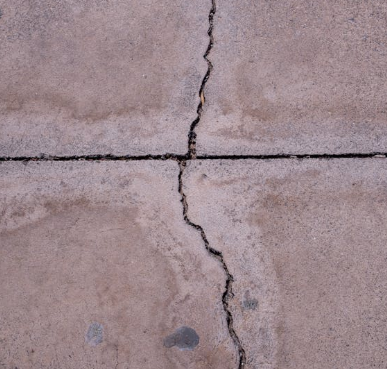
How missing control joints cause unsightly premature cracking in concrete slabs.
5. The Material Conflict: Incompatible Material Movements
Different building materials expand and contract at different rates, creating conflict.
- The Cause: Rigidly connecting materials with high movement coefficients (like wood framing) to those with low movement (like brick or stone veneer) without proper allowances.
- Why It Happens So Fast: Seasonal humidity changes in the first few months cause wood to swell or shrink significantly. If tied rigidly to masonry, which moves very little, stress cracks will appear at the interface.
- How to Prevent It: Use flexible, corrosion-resistant ties for masonry veneers that allow for differential movement. Include expansion joints in long runs of masonry or stucco.
6. The Design Flaw: Inadequate Movement and Control Joints
If you don’t give a material a planned place to crack, it will choose its own.
- The Cause: Failing to install sufficient control joints in concrete slabs and sidewalks, or omitting expansion joints in large walls and paved areas.
- Why It Happens So Fast: As concrete shrinks or materials expand, the resulting tensile stress concentrates at the weakest point, leading to random, jagged cracking within months.
- How to Prevent It: Design and install control joints at regular intervals (typically 24-36 times the slab thickness in feet). Plan expansion joints where large structures meet or change direction.
7. The Moisture Mayhem: Rapid Changes in Soil Moisture
The ground beneath a building is not static, and its movement transfers directly to the structure.
- The Cause: Building on expansive clay soils that swell when wet (after rain or irrigation) and shrink when dry. Poor site drainage that creates a “bathtub effect” around the foundation.
- Why It Happens So Fast: The first major rainstorm or the start of an irrigation season can cause dramatic soil swelling, heaving sections of the foundation and causing immediate cracks. Conversely, drought can cause rapid shrinkage.
- How to Prevent It: Design foundations for the soil’s plasticity index. Install and maintain excellent perimeter drainage (grading, gutters, downspouts) to keep water away from the foundation.
Conclusion:
Proactive Design and Practice Prevent Premature Cracks
The reasons why some buildings crack after a few months are almost always rooted in preventable errors during site preparation, design, material selection, and construction sequencing. These early-stage building cracks are a loud and clear diagnostic tool, signalling that something in the process deviated from sound engineering principles. The key to prevention is a holistic approach: understand your soil, respect material science, follow strict curing protocols, and design for natural forces. By addressing these fundamentals, you move from reacting to cracks to building structures that remain sound and intact from day one.