
Introduction: Understanding Shallow Foundation Errors and Settlement
Shallow foundations are common for residential and light commercial buildings, but they are highly susceptible to errors that compromise their stability. Shallow foundation errors that cause settlement are among the leading culprits behind cracked walls, uneven floors, and costly structural repairs homeowners face. These mistakes occur during site evaluation, design, and construction, often due to cutting corners or a lack of understanding of soil behaviour. This guide will detail the seven most common—and critical—shallow footing mistakes that lead to differential and uniform settlement. By recognising these errors, builders and homeowners can take proactive steps to ensure their foundation is built on a stable, permanent base.
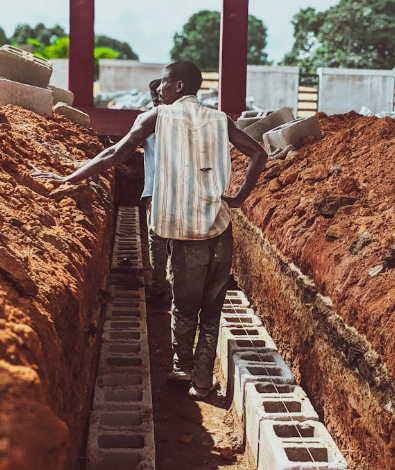
Common shallow foundation errors in construction leading to soil settlement and damage.
1. The Unstable Base: Building on Improperly Compacted Fill
This is the #1 cause of severe foundation settlement problems in new construction.
- The Error: Pouring footings and slabs directly on loose, uncompacted backfill or native soil that hasn’t been tested and mechanically compacted.
- How It Causes Settlement: The soil consolidates under the structure’s weight, but it does so unevenly. This differential settlement creates immense stress, causing the foundation to crack, tilt, and sink in spots. The building above mirrors this movement.
- The Prevention: Never build on fill without proof of compaction (e.g., a Proctor test). A geotechnical engineer must specify compaction requirements. Compact soil in 6-8 inch lifts with a sheepsfoot or plate compactor.
2. The Water War: Inadequate Site Drainage and Grading
Water is the primary enemy of shallow foundations. Poor management guarantees trouble.
- The Error: Failing to ensure the final grade slopes away from the foundation (minimum 6 inches over 10 feet) and lacking proper gutter/downspout systems.
- How It Causes Settlement: Water pools around the foundation, saturating the soil. Saturated soil loses bearing capacity, essentially turning to mud, and can consolidate or wash away (erode). In expansive clays, water causes swelling, followed by shrinkage and settlement as it dries.
- The Prevention: Establish positive drainage away from the house on all sides. Install and maintain gutters that discharge water at least 5 feet from the foundation.
3. The Footing Fiasco: Undersized or Shallow Footings
Footings spread the building’s load; if they’re too small or shallow, they will sink.
- The Error: Using footings that are too narrow or have insufficient depth (not below the local frost line) for the soil’s bearing capacity and the building’s load.
- How It Causes Settlement: An undersized footing exerts too much pressure on the soil, causing it to fail and the footing to sink. A shallow footing is vulnerable to frost heave in cold climates, which lifts it up, and subsequent thawing leads to uneven settlement.
- The Prevention: Footing dimensions and depth must be calculated by a structural engineer based on the live/dead loads and the soil’s allowable bearing pressure (from a soil report).
4. The Concrete Compromise: Poor Quality and Improper Curing
The material integrity of the foundation itself is paramount.
- The Error: Using a weak concrete mix, adding excess water on site, or failing to cure the concrete properly, leading to low strength and durability.
- How It Causes Settlement: Weak concrete is prone to cracking and crumbling under load, compromising the footing’s ability to distribute weight evenly. Cracks allow water infiltration, which further erodes soil support.
- The Prevention: Use a designed concrete mix (typically 3,000 psi minimum). Cure concrete for at least 7 days by keeping it moist. Follow guidelines from the American Concrete Institute.
5. The Reinforcement Oversight: Missing or Incorrect Rebar
Concrete is strong in compression but weak in tension (bending). Rebar provides tensile strength.
- The Error: Omitting horizontal rebar in footings (especially in continuous footings) or using the wrong size/spacing. Missing rebar in slab-on-grade foundations is also a critical error.
- How It Causes Settlement: Without reinforcement, footings can crack due to soil tension or bending from uneven loads. These cracks propagate, leading to differential settlement. In slabs, lack of rebar leads to random cracking as the slab settles.
- The Prevention: Always follow the engineer’s rebar schedule. Footings typically require at least two continuous #4 or #5 rebar lines. For slabs, use welded wire mesh or fibre reinforcement.
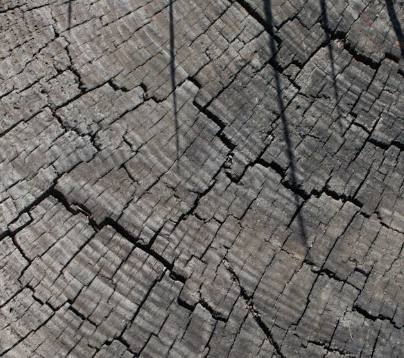
Foundation slab settlement and cracking due to shallow foundation construction errors.
6. The Load Shift: Unplanned Changes After Construction
Altering the load on a foundation after it’s built is a common but dangerous oversight.
- The Error: Adding a significant second-storey addition, installing a heavy pool, or placing large soil stockpiles next to the foundation without engineering approval.
- How It Causes Settlement: The original foundation was not designed for the new, increased load. The added weight can cause new settlement or reactivate old settlement in the soil.
- The Prevention: Any major addition or significant change in loading requires review by a structural engineer. They may recommend underpinning or piering the existing foundation.
7. The Invisible Threat: Building on Expansive Clay Without a Proper Design
This soil type requires specialised design; treating it like normal soil is a cardinal error.
- The Error: Using a standard shallow footing or slab-on-grade on highly expansive clay without modifications like moisture barriers, deeper piers, or a stiffened structural slab.
- How It Causes Settlement: Expansive clay swells when wet and shrinks when dry. This cyclical movement, known as “heave” and “settlement”, cracks and distorts standard shallow foundations, leading to a recurring, damaging pattern.
- The Prevention: A soil test is essential to identify expansive clay. Engineers will design accordingly, often using a reinforced, stiffened mat foundation or deep piers to stabilise the structure.
Conclusion: Build Once, Build Right on a Solid Base
The shallow foundation errors that cause settlement are largely preventable with knowledge, proper planning, and disciplined construction practices. The key lies in respecting the soil-continuum interaction: investing in a soil report, following engineered designs, ensuring excellent drainage, and using quality materials and craftsmanship. A foundation is not the place for guesswork or shortcuts. By addressing these common mistakes, you invest in the long-term stability and value of the entire structure, avoiding the cycle of cracks, repairs, and worries that come with a failing foundation.