
Introduction
When a Home Becomes a Hazard
A home is meant to be a sanctuary, a place of security and comfort. However, due to poor construction, misguided renovations, or simple neglect, common home safety mistakes can transform this refuge into a dangerous environment. These are not mere inconveniences; they are critical flaws that can lead to fire, collapse, poisoning, or electrocution. This guide details the most serious errors that create unsafe living conditions, empowering homeowners, buyers, and builders to recognise and rectify hazards before they result in tragedy. Understanding what makes a house unsafe to live in is the first and most important step in ensuring your home protects, rather than endangers, its occupants.
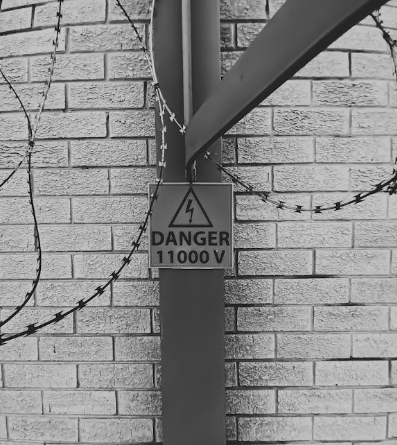
Identifying common home safety mistakes that create dangerous living conditions. loose electric wire
1. The Electrical Fire Hazard: Faulty Wiring and Overloaded Circuits
Faulty electrical systems are a leading cause of residential fires, representing a major home safety failure.
- The Critical Mistake: Knob-and-tube wiring, aluminium wiring without proper pigtails, overloaded circuits, loose connections, and DIY electrical work performed without permits or knowledge.
- The Dangerous Consequence: Overheating wires can ignite surrounding materials within walls. Faulty connections cause arcing, which is an intense, localised heat source capable of starting fires even when devices are turned off.
- How to Fix It: Hire a licensed electrician to conduct a full inspection. Replace outdated wiring systems. Ensure the electrical panel is correctly labelled and not overloaded. Install AFCI (Arc-Fault Circuit Interrupter) breakers, which are designed to detect dangerous arcs and shut off power.
2. The Silent Killer: Gas Leaks and Carbon Monoxide (CO) Risks
Gas and combustion appliances pose invisible, deadly threats when improperly installed or maintained.
- The Critical Mistake: Improperly vented furnaces, water heaters, or fireplaces; corroded gas lines; missing or disabled carbon monoxide detectors; and blocked appliance intake/exhaust vents.
- The Dangerous Consequence: Natural gas leaks can lead to explosion. Malfunctioning combustion appliances produce carbon monoxide—an odourless, colourless gas that causes poisoning, leading to brain damage or death during sleep.
- How to Fix It: Install UL-listed CO detectors on every floor and near sleeping areas. Test them monthly. Have all gas lines and combustion appliances inspected annually by a qualified technician. Never block or patch a vent pipe. Our guide on preventing carbon monoxide poisoning at home provides a vital checklist.
3. The Structural Failure: Compromised Load-Bearing Elements
Tampering with a home’s structural skeleton is one of the most reckless construction safety errors.
- The Critical Mistake: Removing or notching load-bearing walls, beams, or joists during renovations without installing proper support headers or consulting a structural engineer.
- The Dangerous Consequence: This can cause sagging ceilings and floors, cracking walls, and, in extreme cases, partial or total collapse of the structure above. The danger often increases gradually, giving a false sense of security until failure occurs.
- How to Fix It: Never assume a wall is non-load-bearing. Before any demolition, consult a licensed structural engineer. If damage is suspected, an engineer can prescribe repairs like installing a laminated veneer lumber (LVL) beam or columns to restore support.
4. The Toxic Environment: Lead, Asbestos, and Mold
Hazardous materials lurking in older homes create chronic health dangers.
- The Critical Mistake: Disturbing lead-based paint (pre-1978), asbestos-containing insulation or tiles (common pre-1980), or allowing chronic moisture issues that lead to widespread mould growth without proper remediation.
- The Dangerous Consequence: Lead dust causes developmental delays in children. Asbestos fibres, when airborne, can cause lung cancer and mesothelioma. Toxic mould spores trigger severe allergic reactions and respiratory illnesses.
- How to Fix It: Test for lead and asbestos before starting any renovation in an older home. Hire EPA-certified professionals for safe abatement. Control moisture sources absolutely to prevent mould; existing infestations require professional remediation. The EPA’s Lead Safety Guide is an essential resource.
5. The Fall and Injury Trap: Unsafe Stairs, Railings, and Floors
Poorly designed or maintained features are a major source of home injuries.
- The Critical Mistake: Stairs with inconsistent riser heights, inadequate handrails (too low, not graspable), missing balusters, slippery tub/shower surfaces, and poor lighting in hallways and stairwells.
- The Dangerous Consequence: Falls are a leading cause of home injury, especially for the young and elderly. A fall down stairs can be fatal. Weak railings can give way under pressure.
- How to Fix It: Ensure all stair dimensions are uniform and to code. Install secure, continuous handrails. Apply non-slip strips in tubs and showers. Improve overall lighting, particularly on staircases. Secure loose rugs with non-slip pads.
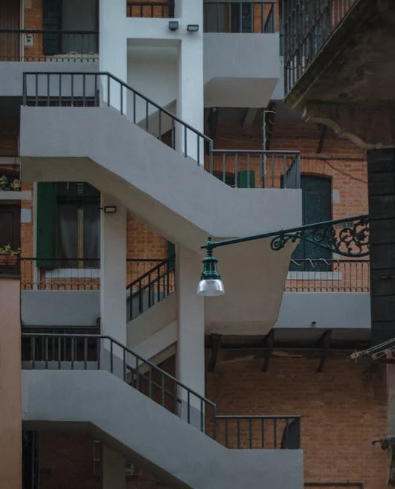
Faulty railings and structural flaws are critical safety mistakes that make a house unsafe.
6. The Water Contamination Risk: Cross-Connected Plumbing
Drinking water can become contaminated by a simple plumbing error.
- The Critical Mistake: Incorrectly installed hose bibbs (outdoor faucets) without a vacuum breaker, or cross-connections between potable water lines and sources of contamination (like a sprinkler system fed by a non-potable well).
- The Dangerous Consequence: Back-siphonage can draw lawn chemicals, bacteria, or other contaminants back into the home’s drinking water supply, leading to serious illness.
- How to Fix It: Ensure all outdoor faucets have built-in or attached anti-syphon vacuum breakers. Have a plumber verify there are no illegal or dangerous cross-connections in the home’s plumbing system.
7. The Security Failure: Inadequate Fire and Intruder Safety
A safe home must also provide security from external threats.
- The Critical Mistake: Non-functional smoke alarms, lack of fire extinguishers, windows that don’t lock or open for escape, and flimsy exterior doors with weak strike plates.
- The Dangerous Consequence: Delayed detection during a fire reduces escape time. An easily breached home is a target for burglary, putting occupants at direct risk.
- How to Fix It: Install interconnected smoke alarms on every level and in every bedroom. Test them monthly. Place ABC-rated fire extinguishers in the kitchen, garage, and near bedrooms. Reinforce door frames and install deadbolts. Ensure all bedrooms have a clear, operable egress window.
Conclusion: Vigilance is the Price of a Safe Home
The safety mistakes that make a house unsafe to live in are a sobering reminder that a home requires active stewardship. Safety is not a default setting; it is a condition maintained through awareness, proper maintenance, and responsible upgrades. Whether you are buying, building, or living in a home, make it a priority to audit for these critical hazards. Invest in professional inspections, address issues immediately, and never cut corners on systems that protect life and health. By doing so, you ensure your home remains the secure sanctuary it was always meant to be.