
Introduction
The Invisible Threats of Hidden Construction Mistakes
When the paint is fresh and the floors are clean, a new building can appear flawless. Yet, some of the most costly and dangerous errors are concealed behind walls, under slabs, and within the building envelope hidden construction mistakes you don’t see until it’s too late. These are not cosmetic issues but fundamental failures in craft and oversight that remain dormant for months or even years, only revealing themselves through major water damage, structural failure, or exorbitant energy bills. This guide exposes the most common invisible building flaws, explaining why they happen, the delayed havoc they wreak, and how to ensure they never make it into your project in the first place.
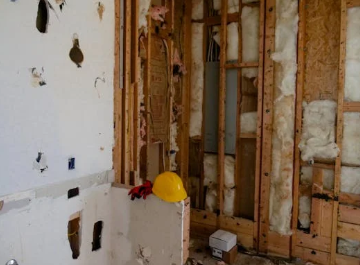
Thermal imaging revealing hidden construction mistakes in wall insulation
1. The Concealed Leak: Improper Flashing and Water-Resistive Barriers
Water management is a system, and its most critical components are hidden from day one.
- The Hidden Mistake: Incorrectly installed or missing flashing around windows, doors, and roof penetrations. Poorly integrated or taped house wrap (water-resistive barrier) that doesn’t create a continuous drainage plane.
- Why You Don’t See It: The error is buried behind siding, brick veneer, or interior finishes. The system is only tested under specific wind-driven rain conditions.
- The Eventual Cost: Slow, chronic water intrusion leads to rot in wall studs and sheathing, toxic mould growth inside cavities, and corrosion of structural fasteners. Repairs require invasive demolition. Learn more about proper flashing techniques for a dry home.
2. The Insulation Void: Gaps, Compression, and Thermal Bridging
Poor insulation is a hidden flaw with decades-long consequences for comfort and cost.
- The Hidden Mistake: Insulation that is poorly fitted, compressed around wires, or missing entirely in hard-to-reach areas like corners, behind electrical boxes, and in attic knee walls. Unaddressed thermal bridges (like uninsulated wood studs).
- Why You Don’t See It: It’s sealed behind drywall. The home may feel draughty or have uneven temperatures, but the exact cause isn’t visible without thermal imaging.
- The Eventual Cost: sky-high heating and cooling bills, persistent comfort issues, and risk of condensation inside walls (leading to mould) where warm, moist air meets cold surfaces.
3. The Electrical Time Bomb: Code Violations Inside Walls
Faulty wiring doesn’t always fail immediately, but when it does, it’s catastrophic.
- The Hidden Mistake: Overcrowded electrical boxes, loose wire splices not in a junction box, NM cable (Romex) run too close to roof nails, or circuits dangerously overloaded.
- Why You Don’t See It: Everything is enclosed within walls and ceilings. The system may function normally until a point of failure causes arcing or overheating.
- The Eventual Cost: Electrical fires that start inside walls. The National Fire Protection Association (NFPA) notes that electrical failures are a leading cause of home fires. Remediation requires opening walls and full re-inspection.
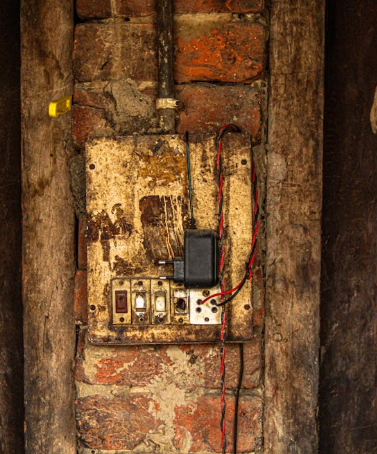
Hidden and dangerous electrical mistakes concealed inside finished walls.
4. The Ventilation Deception: Blocked or Nonexistent Pathways
Attics and crawl spaces need to breathe; when they can’t, the whole house suffers.
- The Hidden Mistake: Insulation blocking soffit vents, missing ridge or gable vents, and no ventilation in enclosed roof assemblies or crawl spaces.
- Why You Don’t See It: The problem is in inaccessible, unfinished spaces homeowners rarely visit. Symptoms like ice dams or musty smells may be misattributed.
- The Eventual Cost: Trapped heat and moisture in attics cause premature deterioration of roof sheathing and shingles. In crawl spaces, it leads to wood rot and mould that can spread into living areas.
5. The Subsurface Sin: Poorly Compacted Fill Under Slabs
What lies beneath a concrete slab determines its long-term fate.
- The Hidden Mistake: Backfill or sub-base material that was not compacted in proper lifts before the concrete slab was poured.
- Why You Don’t See It: The error is buried under several inches of concrete. The slab may look perfect for the first year or two.
- The Eventual Cost: The fill settles unevenly over time, causing the slab to crack and sink. This leads to cracked tile, unlevel floors, and doors that won’t close. Repair involves costly slabjacking or full replacement.
6. The Fastener Failure: Corrosion and Incorrect Installation
The nails, screws, and hangers holding your house together are out of sight, out of mind until they fail.
- The Hidden Mistake: Using plain steel fasteners in pressure-treated wood (causing rapid corrosion), missing hurricane ties or joist hangers, or using nails where screws are required for structural connections.
- Why You Don’t See It: They are embedded in wood, hidden by finishes. Corrosion can be advanced before any sign appears.
- The Eventual Cost: Weakened structural connections can lead to sagging roofs, wobbly decks, and, in extreme weather events, catastrophic failure. The American Wood Council provides critical guidelines on fastener corrosion prevention.
7. The HVAC Hazard: Poor Duct Sealing and Design
Leaky, poorly designed ductwork is an efficiency killer hiding in your ceilings and walls.
- The Hidden Mistake: Duct joints sealed with inferior tape (that dries and fails) instead of mastic, ducts crushed or kinked during installation, and long, restrictive duct runs.
- Why You Don’t See It: Ductwork is buried in attics, crawl spaces, and chases. Homeowners only feel the result: weak airflow, hot/cold rooms, and dust blowing from vents.
- The Eventual Cost: Up to 30% of conditioned air can be lost, drastically increasing energy bills. Poor airflow strains the HVAC unit, leading to premature breakdowns.
Conclusion: The Critical Importance of Unseen Quality
The saga of hidden construction mistakes underscores a fundamental truth in building: quality is determined not by what you see, but by what you don’t. Preventing these invisible building flaws requires a shift in mindset from focusing on finished surfaces to obsessing over the concealed details. It demands hiring builders who value process over speed, investing in third-party inspections at critical closed-wall stages, and understanding that the true test of a building occurs in the decades after the builders have left. By prioritising the integrity of hidden systems, you build not just a structure, but lasting peace of mind.