
Introduction: The Critical Impact of Foundation Excavation Mistakes
The excavation phase is the first physical step in creating a building’s foundation, and errors made here can undermine the entire project before a single footing is poured. Foundation excavation mistakes are not merely about moving dirt; they are fundamental errors in planning, safety, and understanding soil mechanics that directly lead to instability, water damage, and even catastrophic collapse. Getting the dig wrong sets a dangerous precedent, as the ground conditions and space you create form the literal base of all subsequent work. This guide details the seven most consequential excavation errors in construction, explaining how poor practices like inadequate shoring, ignoring soil reports, and flawed grading compromise structural integrity from the ground up.
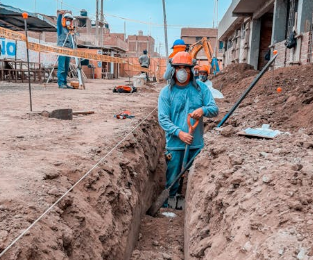
Dangerous and improper foundation excavation mistakes leading to trench collapse risk.
1. The Invisible Gamble: Excavating Without a Geotechnical Report
Digging blind is the cardinal sin of foundation work.
- The Mistake: Starting excavation without a professional soil report to identify soil type, bearing capacity, water table, and stability.
- The Consequence: You may unknowingly dig into loose sand, expansive clay, or a high water table. This leads to immediate problems like trench wall collapse or long-term issues like designing a foundation unfit for the actual soil conditions, causing differential settlement and structural cracks.
- The Fix: A geotechnical investigation is non-negotiable. The report dictates excavation support needs, dewatering requirements, and foundation design. This is the foundational step to avoid costly soil-related excavation errors.
2. The Trench Trap: Inadequate Shoring and Sloping
An unsupported trench is a grave waiting to be filled.
- The Mistake: Failing to properly slope trench walls or install trench boxes/shoring in excavations deeper than 5 feet (or less in certain soils), as per OSHA standards.
- The Consequence: Trench collapse, which can bury and kill workers in seconds. Even a minor cave-in can damage utilities, require re-excavation, and cause major project delays. This is one of the deadliest safety failures in foundation work.
- The Fix: For deep excavations, always use a protective system: sloping, shoring, or shielding. A competent person must inspect the excavation daily and after any event that could change conditions.
3. The Waterlogged Pit: Poor Dewatering and Drainage
Allowing water to accumulate in the excavation sabotages the foundation before it’s built.
- The Mistake: Not planning for or effectively managing groundwater and rainwater in the excavation pit.
- The Consequence: Workers dig and pour footings in mud, which compromises soil bearing capacity and concrete integrity. Saturated soil exerts hydrostatic pressure on fresh foundations and can lead to washouts under footings. For effective strategies, see our guide on controlling water on the construction site.
- The Fix: Use sump pumps and wellpoints to lower the water table. Install perimeter drains (French drains) uphill of the excavation. Always have a pump on standby during concrete pours.
4. The Over-Excavation Error: Digging Too Deep or Too Wide
Precision is key; removing too much soil creates instability and cost overruns.
- The Mistake: Excavating beyond the planned footprint and depth, often due to inaccurate layout or machine operator error.
- The Consequence: Over-excavated areas must be backfilled, but this fill is never as stable as undisturbed soil. This can create soft spots under the foundation, leading to settlement. It also wastes time and money on extra backfill material and compaction.
- The Fix: Clearly mark excavation boundaries with string lines and grade stakes. Use a surveyor to confirm the subgrade elevation before pouring footings. Supervise equipment operators closely.
5. The Neighborly Feud: Damaging Adjacent Properties and Utilities
Your excavation doesn’t exist in a vacuum; it affects everything around it.
- The Mistake: Excavating without locating all underground utilities (call 811!) or without protecting adjacent structures from vibration, soil movement, or loss of lateral support.
- The Consequence: Severing a gas, water, or fibre line causes service outages, hazards, and massive repair costs. Removing lateral support can cause the neighbour’s foundation to settle or their retaining wall to collapse, leading to lawsuits.
- The Fix: Always call 811. For work near property lines, consult a structural engineer about shoring or underpinning plans to protect adjacent structures.
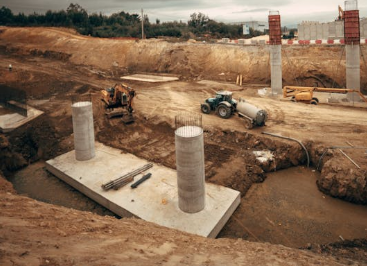
The critical importance of utility location to prevent foundation excavation utility strikes.
6. The Unstable Floor: Not Compacting the Subgrade
The soil that directly contacts the footings and slab must be firm and uniform.
- The Mistake: Leaving the subgrade (the bottom of the excavation) soft, uneven, or with loose debris before placing footings or pouring a slab.
- The Consequence: An uncompacted subgrade will settle under load, causing footings to sink and slabs to crack. Organic material like tree roots left in place will decompose, creating voids.
- The Fix: After the final excavation depth is reached, proof-roll the subgrade with heavy equipment to check for soft spots. Remove all organic matter and debris. Compact the subgrade uniformly.
7. The Stockpile Problem: Placing Spoil Too Close to the Edge
The dirt you remove can become the hazard that falls back in.
- The Mistake: Piling excavated soil (spoil) and construction materials right at the edge of the excavation.
- The Consequence: The added weight increases the risk of a trench wall collapse. Rain can saturate the pile, causing it to slump back into the excavation. It also restricts safe access and egress for workers.
- The Fix: Keep all spoil piles and heavy equipment at least 2 feet back from the excavation edge. Use designated stockpile areas away from the work zone.
Conclusion: Excavate with Knowledge and Caution
Foundation excavation mistakes are preventable through rigors planning, respect for soil mechanics, and an unwavering commitment to safety. The excavation is not just a hole; it is the carefully prepared cradle for your building’s foundation. By investing in a soil report, implementing proper shoring, managing water meticulously, and protecting surrounding assets, you transform this critical first phase from a potential liability into a solid launchpad for a successful, stable, and safe construction project. Remember, a building’s longevity is determined as much by the quality of the hole it sits in as by the materials used to fill it.