
Introduction: How Poor Compaction Silently Destroys Structures
In construction, what you don’t see truly can hurt you. Poor compaction—the failure to properly compress soil or aggregate before building on it—is a silent construction killer. This hidden error doesn’t reveal itself during the build but lies in wait, often for years, before manifesting as severe cracking, sinking floors, and structural instability. Unlike dramatic collapses, the damage from improper soil compaction is a slow, insidious process of settlement that undermines the very base of a building. This guide exposes how this critical oversight in site preparation and backfill becomes one of the most common and costly causes of foundation and slab failure, explaining why rigors compaction is non-negotiable for any durable structure.
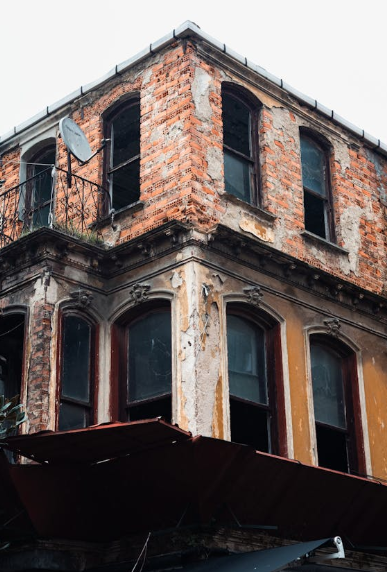
Building stress analysis revealing damage caused by the silent construction killer: poor soil compaction.
1. The Unstable Base: Building on Uncompacted Fill Soil
This is the origin point for catastrophic settlement.
- The Silent Error: Pouring footings or placing slabs directly on loose, dumped fill material without mechanical compaction in controlled layers (lifts).
- How It Kills the Structure: The loose soil particles gradually rearrange and consolidate under the structure’s weight. This causes differential settlement, where one part of the foundation sinks more than another. The resulting stress cracks walls, distorts door frames, and can lead to total structural failure.
- The Prevention: Never build on unapproved fill. A geotechnical engineer must specify compaction requirements (e.g., 95% Proctor density). Use a sheepsfoot or vibratory plate compactor and test the results with a nuclear density gauge.
2. The Backfill Blunder: Improper Compaction Around Foundations
The soil pushed against the foundation is just as important as the soil under it.
- The Silent Error: Hastily backfilling the trenches around new foundation walls with large clumps of clay or debris and failing to compact it in thin, uniform layers.
- How It Kills the Structure: Poorly compacted backfill settles over time, creating a trench or moat around the foundation. This channels water directly to the base of the wall, leading to hydrostatic pressure, water intrusion, and erosion of the supporting soil beneath the footing. The cycle of wetting and drying in expansive clays is accelerated.
- The Prevention: Use clean, granular, drainable backfill material. Compact in 6-8 inch lifts all the way to the surface. Ensure the final grading slopes away.
3. The Slab Support Failure: Uncompacted Subgrade Under Concrete
A concrete slab is only as good as the ground it sits on.
- The Silent Error: Pouring a garage slab, basement floor, or monolithic slab directly onto soft, uneven, or organic subgrade.
- How It Kills the Structure: The soft spots compress under load, causing the slab to crack and sink unevenly. This leads to cracked floor slabs, drainage issues, and failing floor coverings. In garages, it can prevent vehicle doors from operating.
- The Prevention: After excavation, proof-roll the subgrade with heavy equipment to identify soft areas. Remove all organic matter. Place and compact a 4-6 inch layer of granular base material (e.g., crusher run) as a stable, uniform platform.
4. The Utility Line Hazard: Poor Trench Compaction for Pipes and Conduits
Settling isn’t just for buildings; it also breaks the services that run to them.
- The Silent Error: Not compacting soil in layers when backfilling trenches for water, sewer, gas, or electrical lines.
- How It Kills the Structure: The settling soil creates voids and puts stress on the pipes, leading to broken utility lines, sinkholes in landscaping and paving, and costly, disruptive repairs to dig up and replace failed services.
- The Prevention: Bed pipes in sand or gravel. Backfill in layers, compacting each layer before adding the next. This is a fundamental step in preventing infrastructure failure from soil settlement.
5. The Pavement Pitfall: Inadequate Base Compaction for Drives and Walks
Asphalt and concrete pavements fail from the bottom up.
- The Silent Error: Placing asphalt or concrete paving directly on an unstable, uncompacted base of soil or aggregate.
- How It Kills the Structure: The uncompacted base settles, causing the rigid pavement above to crack (alligator cracking in asphalt, faulting in concrete). Potholes develop, and the entire paving system fails prematurely, requiring full-depth reconstruction instead of simple resurfacing.
- The Prevention: Excavate to stable subsoil. Install and thoroughly compact a deep base of crushed stone (often 6-12 inches). A well-compacted base is the most critical part of any pavement system.
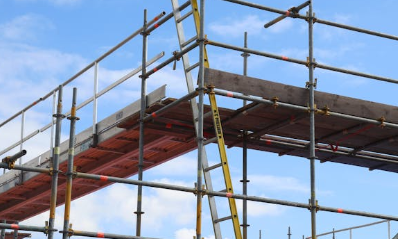
Proper soil compaction techniques to prevent the silent killer of foundation settlement.
6. The Retaining Wall Risk: Uncompacted Backfill Against Walls
A retaining wall holds back earth; if that earth isn’t stable, the wall will fall.
- The Silent Error: Dumping backfill behind a new retaining wall without compaction and without installing proper drainage (gravel and drain tile).
- How It Kills the Structure: The unsaturated, loose backfill becomes heavy and saturated during rain, exerting immense, uneven pressure (surcharge load). This is a leading cause of retaining wall collapse by overturning or sliding.
- The Prevention: Compact drainage gravel and select backfill in thin lifts directly behind the wall. Install a perforated drainpipe at the base that outlets freely.
7. The Invisible Culprit: Moisture Content Ignorance
Compacting soil that is too wet or too dry is futile.
- The Silent Error: Attempting compaction without controlling the soil’s moisture content, which is critical to achieving maximum density.
- How It Kills the Structure: Soil that is too dry will not bind; soil that is too wet becomes muddy and impossible to compact, leading to a condition called “pumping”. Both result in a weak, unstable base that will settle. For a deeper understanding, our guide on soil mechanics for builders is crucial.
- The Prevention: The geotechnical report specifies the optimum moisture content. Add water to dry soil or aerate wet soil before compacting. Simple field tests can check moisture.
Conclusion: Compaction is an Insurance Policy, Not an Option
Poor compaction earns its title as a ‘silent construction killer’ because its fatal flaws are buried and its consequences are delayed. It is the epitome of a problem that is exponentially cheaper to prevent than to repair. Ensuring proper compaction is a fundamental act of due diligence—an insurance policy written in soil and verified by testing. It requires understanding that every layer of material placed under or against a structure must be engineered for stability. By mandating strict compaction protocols and verification testing, you build on a foundation of certainty, not a time bomb of settling soil.