
Introduction: The High Stakes of Building Supervision
Effective building supervision is the linchpin of any successful construction project. Yet, it’s an area rife with critical errors that can unravel months of planning and millions in investment. Building supervision mistakes ranging from inadequate oversight to poor communication directly cause delays, budget overruns, safety incidents, and substandard quality. This guide details the seven most significant construction oversight errors that supervisors make, often without realising the downstream consequences. By understanding and avoiding these pitfalls, project managers, site supervisors, and owners can ensure their projects are built on schedule, to specification, and to the highest standards of safety and quality.
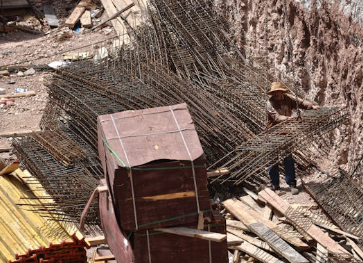
A site supervisor overwhelmed, a common precursor to critical building supervision mistakes.
1. The Communication Vacuum: Poor Daily Coordination and Updates
The most frequent and costly supervision error on site is a breakdown in daily communication.
- The Mistake: Failing to conduct organized daily huddles, not providing clear daily goals to subcontractors, and neglecting to update the project manager and owner on progress and issues.
- The Consequence: Trades work at cross-purposes, critical tasks are missed, and small problems fester into major delays. This leads to finger-pointing, rework, and a toxic site culture.
- The Solution: Implement a strict routine of 10-minute morning meetings. Use collaborative project management software for real-time updates. Never let the sun set on an unresolved issue.
2. The Paper Trail Failure: Inadequate Documentation
Relying on memory and verbal agreements is a hallmark of poor construction oversight.
- The Mistake: Not meticulously documenting daily reports, change orders, material deliveries, inspection results, and safety meetings.
- The Consequence: When disputes arise over scope, schedule, or payment, there is no written record for resolution. This leads to costly legal battles and claims. It also makes it impossible to track the true project history for future reference.
- The Solution: Treat documentation as a non-negotiable daily task. Use digital tools for time-stamped photos, signed change orders, and cloud-based daily logs. For more on systems, see our guide on effective construction documentation practices.
3. The Quality Control Blind Spot: Prioritizing Speed Over Standards
When a supervisor’s only metric is “staying on schedule”, quality inevitably suffers.
- The Mistake: Not performing systematic quality inspections at critical milestones (pre-pour, pre-drywall, pre-close) and allowing trades to cover up work before it’s been checked.
- The Consequence: Hidden defects become locked into the building—faulty wiring, improper flashing, and poor framing alignment. These are the very oversight failures that lead to callbacks, warranty claims, and reputational damage years later.
- The Solution: Develop and enforce a formal Quality Control (QC) checklist for each project phase. Never authorise payment for a work phase until it passes QC.
4. The Safety Oversight: Complacency and Lack of Enforcement
A safe site is an efficient site; tolerating unsafe conditions is a catastrophic supervisory failure.
- The Mistake: Becoming complacent about “minor” safety infractions (missing fall protection, improper ladder use, housekeeping) and failing to conduct regular, documented safety audits.
- The Consequence: A higher risk of serious injury or death. This leads to work stoppages, massive insurance premium hikes, lawsuits, and irreparable damage to the company’s standing. Resources from OSHA are vital for maintaining standards.
- The Solution: Lead by example. Enforce safety rules without exception. Hold weekly dedicated safety meetings with all crews.
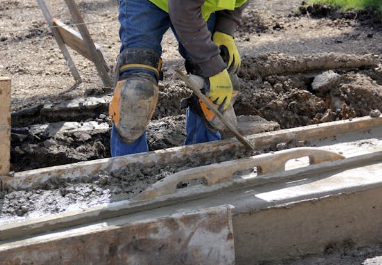
The direct impact of strong vs. poor supervision on jobsite safety and order.
5. The Subcontractor Mismanagement: Lack of Clear Scopes and Accountability
Supervisors must manage people they don’t directly employ, a unique challenge often bungled.
- The Mistake: Not having crystal-clear, written scopes of work for each subcontractor and failing to hold them accountable to the project schedule and site rules.
- The Consequence: Gaps in responsibility (“That’s not my job”), duplicated work, and schedule chaos as one subcontractor’s delay cascades to everyone else.
- The Solution: Review each sub’s scope with them before they start. Integrate their schedules into the master plan and hold weekly coordination meetings. Use lien waivers tied to schedule compliance.
6. The Budget Blindness: Ignoring Cost Tracking and Forecasting
A supervisor focused only on physical progress can lose sight of the financial reality.
- The Mistake: Not tracking labour hours and material usage against the budget in real-time and failing to forecast the financial impact of delays or changes.
- The Consequence: The project mysteriously goes over budget. Profit margins evaporate because costs were not controlled day-to-day. This is a fundamental project management error in construction.
- The Solution: Require daily cost reporting from foremen. Compare actuals to the estimate weekly. Use a simple dashboard to track the project’s financial health.
7. The Client Relations Error: Poor Communication and Mismanaged Expectations
The client’s experience is shaped almost entirely by their interaction with the supervisor.
- The Mistake: Avoiding difficult conversations about delays or changes, providing overly optimistic timelines, or using technical jargon that confuses the owner.
- The Consequence: A frustrated, distrustful client who becomes difficult to work with, disputes invoices, and leaves negative reviews. This erodes the business’s foundation.
- The Solution: Practise radical transparency. Provide weekly written updates in plain language. Involve the client in key inspections to build trust and understanding.
Conclusion: Supervision as the Keystone of Success
The biggest mistakes made during building supervision are failures of process, discipline, and proactive communication—not a lack of technical knowledge. A great supervisor is a conductor, diplomat, accountant, and coach all at once. By implementing rigors systems for communication, documentation, quality control, and safety, a supervisor transforms from a passive observer into the project’s driving force for success. In doing so, they protect the project’s schedule, budget, quality, and most importantly, the well-being of everyone on site, proving that superior supervision is the ultimate value-add in construction.