
Introduction
Building for Longevity, Not Just Compliance
A building’s true test isn’t the day it opens, but how it endures decades of use and exposure. Sadly, many modern structures face premature ageing and decay due to fundamental oversights during construction. These are not code violations that cause immediate collapse but insidious construction errors that shorten a building’s life, leading to chronic problems, exorbitant maintenance costs, and a significantly reduced service lifespan. This guide examines the critical flaws—from moisture mismanagement to material compromises—that rob buildings of their potential longevity, ensuring you build for generations, not just for the certificate of occupancy.
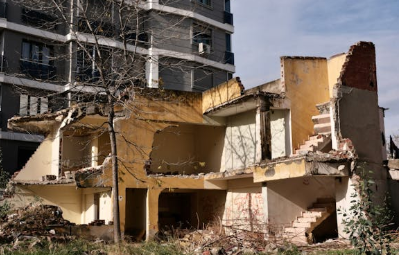
The stark contrast in building longevity caused by critical construction errors.
1. The Moisture Menace: Inadequate Water Management Details
Water is the primary agent of building decay, and its mismanagement is the leading cause of premature building failure.
- The Life-Shortening Error: Improper flashing installation (at windows, doors, and roofs), missing or poorly integrated water-resistive barriers (WRBs), and insufficient roof drainage. This is a critical construction flaw.
- The Consequence: Chronic water intrusion leads to wood rot, mould growth within wall cavities, corrosion of structural steel and fasteners, and deterioration of sheathing. This hidden decay compromises structural integrity and indoor air quality long before it’s visible, necessitating massive, invasive repairs.
- The Prevention: Prioritise a perfect “drainage plane” and airtight installation of all flashings. Use high-quality WRBs (like fluid-applied membranes) integrated with window/door flanges. Ensure positive drainage on all surfaces.
2. The Thermal Bridge: Poor Insulation and Air Sealing
An energy-leaking building is an uncomfortable, expensive, and shorter-lived building.
- The Life-Shortening Error: Gaps in insulation, thermal bridging (where structural elements like studs create a conductive path for heat/cold), and a lack of comprehensive air sealing.
- The Consequence: Condensation forms within walls on cold bridging surfaces, leading to the same moisture and mould problems as water intrusion. HVAC systems overwork, utility bills soar, and occupant comfort plummets. The building envelope degrades from the inside out.
- How to Avoid It: Design to minimise thermal bridges. Use continuous exterior insulation. Employ meticulous air-sealing techniques (caulking, gaskets, tapes) during framing. A blower door test should be mandatory. Our guide on achieving a high-performance building envelope is essential reading.
3. The Corrosion Catalyst: Incorrect Material Selection and Detailing
Using materials in conditions they cannot withstand guarantees early failure.
- The Life-Shortening Error: Using untreated wood in contact with concrete or soil, installing fasteners that are not corrosion-resistant (e.g., plain steel in a damp environment), or mixing incompatible metals (causing galvanic corrosion).
- The Consequence: Accelerated rust and rot. Joist hangers fail, deck ledgers pull away, and structural connections weaken. The American Wood Council’s Guide to Durability by Design stresses that material compatibility is paramount for longevity, making this a key durability error in construction.
- The Prevention: Specify pressure-treated or naturally durable wood for ground contact. Use stainless steel or hot-dip galvanised fasteners in exterior and high-moisture areas. Separate dissimilar metals with non-conductive barriers.
4. The Ventilation Void: Trapping Moisture in Attics and Walls
Buildings need to breathe in a controlled way; sealing them without ventilation is a recipe for rot.
- The Life-Shortening Error: Blocking soffit vents with insulation, failing to install ridge or gable vents, and creating sealed wall assemblies without a means for moisture to escape (a rainscreen gap).
- The Consequence: Trapped moisture from interior humidity and minor leaks has no escape. It condenses, soaks insulation (reducing R-value), and promotes rampant mould and wood rot in roof sheathing and wall framing.
- How to Avoid It: Design and maintain clear ventilation pathways from soffit to ridge for all attic spaces. For walls, consider a ventilated rainscreen cladding system that allows water to drain and air to circulate behind the siding.

Thermal imaging reveals construction errors that shorten building life through heat loss and moisture risk.
5. The Foundation Flaw: Inadequate Drainage and Waterproofing
A wet foundation is a failing foundation, and its problems migrate upwards.
- The Life-Shortening Error: Omitting or installing substandard foundation drain tile (French drain), using a weak waterproofing membrane, or backfilling before the membrane is fully protected.
- The Consequence: Hydrostatic pressure builds, causing cracks in foundation walls. Water and soil minerals seep in, leading to efflorescence, spalling concrete, and a perpetually damp basement or crawl space that undermines the entire structure’s health.
- The Prevention: Install a perimeter drain tile at the footing level, leading to daylight or a sump pump. Use a robust, dimpled drainage board to protect the waterproofing membrane from backfill damage. This is a fundamental defence against foundation degradation.
6. The Shortcut Syndrome: Poor-Quality Workmanship and Supervision
Rushed, unskilled labour leaves behind a legacy of hidden defects.
- The Life-Shortening Error: Sloppy framing that isn’t plumb or straight, improper nailing patterns, poorly mixed or cured concrete, and rushed mechanical system installations.
- The Consequence: These latent defects cause uneven settling, squeaky floors, drywall cracks, plumbing leaks, and electrical issues that manifest years later. The cumulative effect is a building that feels shoddy and requires constant, premature repairs.
- How to Avoid It: Hire skilled, experienced tradespeople. Employ rigors site supervision. Never sacrifice quality for speed. Implement a detailed quality control checklist for each construction phase.
7. The Future-Proofing Failure: Ignoring Maintenance Access
A building that cannot be easily maintained will not be properly maintained.
- The Life-Shortening Error: Enclosing essential components like plumbing cleanouts, valve shut-offs, roof flashings, and HVAC units without providing proper access panels or space for future servicing.
- The Consequence: Minor issues go unaddressed because repairs are too invasive and expensive, allowing them to become major failures. Roof leaks persist, pipes burst because valves can’t be reached, and systems operate inefficiently until they fail catastrophically.
- The Prevention: Design with maintenance in mind. Specify and install access panels for every critical component. Ensure attics and crawl spaces are accessible. This simple foresight dramatically extends a building’s functional life.
Conclusion: Building a Legacy, Not a Liability
The construction errors that shorten a building’s life are a testament to short-term thinking in a long-term endeavour. Longevity is not an accident; it is the deliberate result of meticulous design, durable material selection, masterful craftsmanship, and a profound respect for the relentless forces of nature, especially water and thermal energy. By investing in the details that manage moisture, ensure thermal continuity, prevent corrosion, and allow for future care, you are not just building a structure for today. You are crafting a durable, valuable asset that will shelter, serve, and endure for generations to come, free from the decay of preventable errors.