
Introduction
The Multi-Million Dollar Cost of Getting the Site Wrong
Before a single foundation is poured, the fate of a multi-million dollar project can be sealed by what happens—or doesn’t happen—on the ground. Site preparation mistakes are among the most expensive errors in construction, often lurking unseen for years before manifesting as catastrophic structural damage requiring massive repairs. These are not simple oversights; they are fundamental failures in understanding the land that lead to costly site work errors and multi-million dollar foundation repairs. This guide details the critical errors in site evaluation and preparation that can devastate budgets and timelines, providing the knowledge needed to ensure your project starts on solid, stable ground.
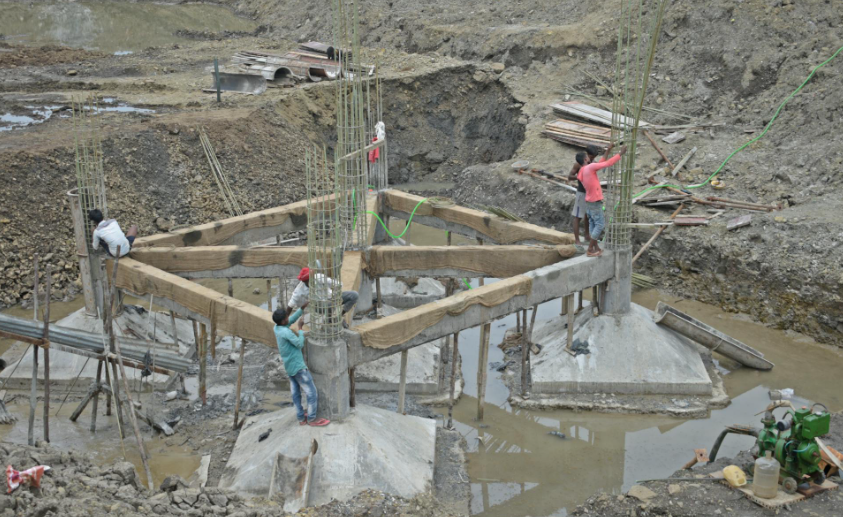
improper site grading leading to water damage, a critical site preparation mistake.
1. The Invisible Enemy: Inadequate Geotechnical Investigation
Skipping or skimping on a soil report is the cardinal sin of site work.
- The Multi-Million Dollar Mistake: Failing to conduct a comprehensive geotechnical survey to analyse soil composition, bearing capacity, water table levels, and the presence of expansive clays or unstable fill.
- The Costly Consequence: Building on unsuitable soil leads to differential settlement, where parts of the foundation sink unevenly. The resulting cracks, leaning walls, and structural stress can require underpinning (installing new, deeper foundations) or even partial demolition—repairs easily soaring into the millions for large structures.
- The Prevention: Never proceed without a licensed geotechnical engineer’s report. This report must dictate the foundation design. It is the single most important investment in site due diligence.
2. The Water War: Poor Site Drainage and Grading
Water is the most destructive force on a building site, and poor management is a critical site error.
- The Multi-Million Dollar Mistake: Improper final grading that slopes towards the structure, rather than away with a minimum 5% slope, and inadequate design for stormwater runoff.
- The Costly Consequence: Chronic water intrusion into basements and crawl spaces, hydrostatic pressure against foundation walls leading to cracks and bowing, saturated soils that lose bearing capacity, and pervasive mould remediation. The repair scope—from exterior waterproofing and drainage systems to internal structural bracing—is immense.
- How to Avoid It: Design and install a complete perimeter drainage system (French drains, proper gutter downspout extensions). Ensure the final grade is rigorously inspected before landscaping. Our guide on designing fail-safe site drainage outlines best practices.
3. The Unstable Base: Improper Soil Compaction
A foundation is only as stable as the soil directly beneath it.
- The Multi-Million Dollar Mistake: Failing to properly compact backfill soil around foundations or compacting the subgrade (native soil) before pouring slab-on-grade foundations.
- The Costly Consequence: The backfill settles over time, creating voids that allow water to pool against the foundation and causing exterior finishes like pavers and porches to sink. Under slabs, poor compaction leads to cracking and uneven floors. Correcting this often requires excavation and re-compaction at great expense.
- How to Avoid It: Use engineered fill material (not organic topsoil). Compact in controlled “lifts” with a mechanical compactor. Require proof of compaction testing (Proctor tests) from a soils engineer.
4. The Boundary Blunder: Inaccurate or Missing Land Surveys
Building on the wrong piece of land is a legal and financial nightmare.
- The Multi-Million Dollar Mistake: Relying on old plot plans or approximate measurements instead of a new, staked survey by a licensed surveyor before design and excavation.
- The Costly Consequence: encroaching on a neighbour’s property or public easements (for utilities, drainage). This can lead to lawsuits, forced demolition of the encroaching structure, and massive delays. Installing a driveway or septic system in the wrong location compounds the problem.
- How to Avoid It: A current boundary survey with clearly marked stakes is non-negotiable. Verify all property lines, easements, and setbacks before any design is finalised. Resources from the National Society of Professional Surveyors emphasise its importance.
5. The Buried Hazard: Failure to Locate Underground Utilities
This mistake can be deadly and instantly catastrophic.
- The Multi-Million Dollar Mistake: Excavating or drilling without having all underground utilities (gas, electric, fibre, water, sewer) professionally marked (a “call before you dig” service like 811).
- The Costly Consequence: Severing a high-pressure gas line or fiber-opticfibre-optic trunk can cause explosions, service outages for thousands, and monumental repair and liability costs. Striking an electrical conduit can be fatal. The fines and repair bills are astronomical.
- How to Avoid It: Always call 811 or your local one-call centrefibre-optic well before any digging. Treat the marked lines as approximate and use “soft digging” techniques (vacuum excavation) near critical utilities.
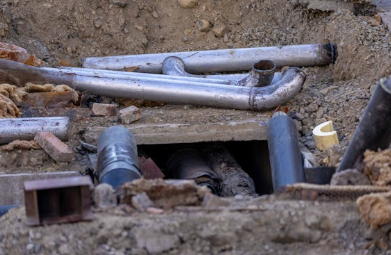
Marking underground utilities to prevent catastrophic and costly site preparation mistakes.
6. The Environmental Time Bomb: Ignoring Contamination
Building on polluted land creates endless liability.
- The Multi-Million Dollar Mistake: Not conducting a Phase I Environmental Site Assessment (ESA) on land with a potential industrial or commercial history (e.g., old gas stations, factories, dry cleaners).
- The Costly Consequence: Discovering soil or groundwater contamination (like petroleum or heavy metals) after purchase or during excavation. The owner becomes responsible for extremely costly remediation under federal law (CERCLA/Superfund), a process that can shut down a project for years and cost tens of millions.
- How to Avoid It: For any non-virgin land, a Phase I ESA is essential due diligence. It identifies recognised environmental conditions (RECs) and protects you from “innocent landowner” liability.
7. The Erosion Catastrophe: Lack of Sediment Control
This mistake damages your site, your neighbours, and the environment, leading to huge fines.
- The Multi-Million Dollar Mistake: Clearing vegetation and beginning earthwork without installing proper erosion and sediment (E&S) controls like silt fences, sediment basins, and stabilised construction entrances.
- The Costly Consequence: Stormwater washes tonnes of sediment into municipal storm sewers and neighbouring properties, clogging infrastructure and damaging ecosystems. Environmental protection agencies levy massive fines per day of violation. Clean-up and restoration costs are severe.
- How to Avoid It: Have a certified E&S control plan in place and installed before any ground is broken. Inspect and maintain controls after every rain event.
8. The Access Oversight: Inadequate Construction Logistics
Failing to plan for the construction process itself cripples the site.
- The Multi-Million Dollar Mistake: No plan for crane placement, material storage, truck turnarounds, or soil stockpiling, leading to inefficient work, damaged finished work, and re-handling of materials.
- The Costly Consequence: Massive delays as crews wait for access, increased labour costs, damage to newly installed utilities or pavements, and the need for costly temporary roads or platforms. This inefficiency burns cash daily.
- How to Avoid It: Create a detailed Site Logistics Plan during pre-construction. Map out storage zones, access routes, and laydown areas. This is a hallmark of professional project management.
Conclusion: Pay Now for Due Diligence, or Pay Millions Later
The multi-million dollar repairs stemming from site preparation mistakes are a harsh lesson in the principle of “pay now or pay much, much more later.” The site is not just a placeholder; it is the first and most critical building component. Investing in expert geotechnical analysis, precise surveying, comprehensive environmental checks, and meticulous planning for water, access, and utilities is not an optional cost; it is the essential premium for project insurance. By respecting the complexity of the ground beneath your feet, you protect your financial investment and build the only true foundation for success: certainty.