
Introduction
Navigating the Pitfalls of Your First Build
Embarking on your first construction project is an exciting leap, but it’s also a minefield of potential missteps. Even with the best intentions, first-time builder mistakes can derail budgets, delay timelines, and compromise the quality of your dream home or investment. This guide outlines the ten most common errors for novice builders, providing clear, actionable advice to help you navigate the complexities of construction with confidence. By understanding these pitfalls—from financial planning to contractor management—you can transform your build from a stressful ordeal into a successful and rewarding achievement.

A first-time builder avoiding common planning and budgeting mistakes.
1. The Budget Blowout: Underestimating True Project Costs
This is the most universal and painful of all first-time builder mistakes.
- The Mistake: Creating an initial budget based on optimistic “ballpark” figures without a detailed, line-item cost breakdown and forgetting the essential contingency fund.
- The Consequence: Running out of money mid-project, leading to stressful financing scrambles, lower-quality material substitutions, or a completely unfinished building.
- How to Avoid It: Get at least three detailed quotes from contractors. Break down every cost: materials, labour, permits, inspections, utilities, and site costs. Always include a contingency fund of 15-20% for the unforeseen. Use our detailed construction budget template to get started.
2. The Planning Paralysis: Inadequate or Rushed Planning
Failing to plan is planning to fail, especially in construction.
- The Mistake: Rushing into the build phase with incomplete architectural plans or making major design changes after construction has begun (“change orders”).
- The Consequence: Costly delays, wasted materials, and contractor frustration. The most expensive words in construction are, “While you’re at it, can we also…?”
- How to Avoid It: Invest time and money upfront with an architect or designer. Finalise every detail from outlet placements to door swings before breaking ground. Use 3D renderings to “walk through” your design virtually.
3. The Contractor Catastrophe: Poor Vetting and Selection
Your choice of builder will make or break your project.
- The Mistake: Choosing a contractor based solely on the lowest bid, a friendly demeanour, or without checking references, licences, and past work.
- The Consequence: Poor workmanship, unreliable scheduling, financial disputes, and, in the worst cases, abandonment of the project.
- How to Avoid It: Vet ruthlessly. Check their licence and insurance. Visit completed projects and talk to past clients. Ensure everything is codified in a detailed, fixed-price contract with clear payment schedules tied to milestones. The Associated General Contractors of America offers resources on hiring a professional.
4. The Permit Pitfall: Ignoring Codes and Regulations
Assuming you don’t need a permit is a classic error for new builders.
- The Mistake: Starting work without securing the necessary building permits or ignoring zoning regulations and building codes.
- The Consequence: Hefty fines, work stoppages, being forced to tear down completed work, and serious issues when you try to sell or insure the property.
- How to Avoid It: Your first call should be to your local building department. They will outline exactly what permits you need. Factor permit approval timelines into your schedule. The contractor should handle this, but you must verify.
5. The DIY Overreach: Tackling Tasks Beyond Your Skill Level
Ambition can quickly outpace ability.
- The Mistake: Attempting complex electrical, plumbing, or structural work yourself to save money, without the proper skills, tools, or permits.
- The Consequence: Creating safety hazards (fire, electrocution), failing inspections, and incurring far greater costs to hire a professional to fix your mistakes.
- How to Avoid It: Be brutally honest about your skills. Hire licensed professionals for all critical systems (MEP: Mechanical, Electrical, Plumbing). Save DIY for painting, landscaping, or finish carpentry.
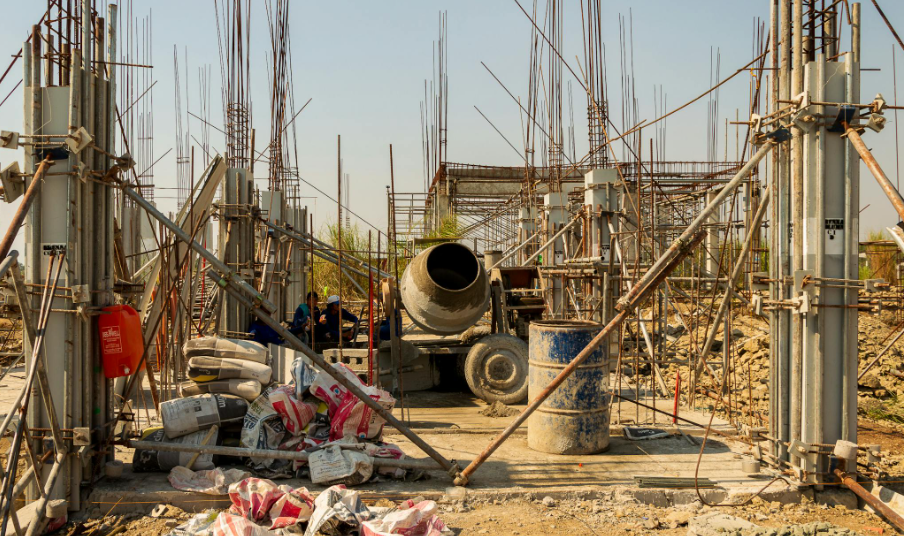
The risks of DIY overreach as a critical first-time builder mistake.
6. The Cash Flow Crisis: Poor Payment Scheduling
How you pay is as important as how much you pay.
- The Mistake: Making large upfront payments or paying for work before it’s completed and inspected.
- The Consequence: Losing financial leverage. If a contractor has most of your money, you have little recourse if they perform poorly, delay, or disappear.
- How to Avoid It: Use a draw schedule tied to verifiable milestones (e.g., “20% upon completion of foundation and inspection”). Always retain a final payment (5-10%) until the project is 100% complete and all punch list items are fixed.
7. The Communication Breakdown: Assuming Instead of Confirming
Miscommunication is at the root of most disputes.
- The Mistake: Assuming everyone is on the same page without written confirmation regarding schedules, material selections, and design details.
- The Consequence: Mistakes in execution, frustration, and costly change orders to correct misunderstandings.
- How to Avoid It: Document everything. Use written change orders for any deviation from the original plan. Maintain a shared project log (digital is best) for daily notes, photos, and decisions.
8. The Material Mismanagement: Not Ordering or Storing Correctly
Materials are a huge portion of your budget; mishandling them is costly.
- The Mistake: Ordering too little (causing delays) or too much (wasting money), or failing to properly store sensitive materials like lumber, windows, or appliances on-site.
- The Consequence: Project delays, material warping or damage from weather, and budget waste.
- How to Avoid It: Your contractor should manage this, but you should verify. Ensure there’s a secure, dry storage plan. Order critical items with long lead times (windows, appliances) early. Learn more about managing construction materials effectively.
9. The Future Blind Spot: Ignoring Resale and Efficiency
You’re building for now, but you should also build for the future.
- The Mistake: Making overly personalised design choices that hurt resale value, or skipping energy-efficient upgrades to save on initial costs.
- The Consequence: A home that’s expensive to heat/cool and difficult to sell when the time comes.
- How to Avoid It: Even if it’s your “forever home”, consider neutral, timeless design for major elements. Invest in quality insulation, windows, and HVAC systems. The long-term savings and added value far outweigh the upfront cost.
10. The Inspection Oversight: Not Being Present or Involved
You are your own best advocate.
- The Mistake: Taking a hands-off approach, rarely visiting the site, and not being present for key inspections or walk-throughs.
- The Consequence: Missing the opportunity to catch errors early when they are easy and cheap to fix, and losing touch with the project’s progress.
- How to Avoid It: Visit the site regularly. Be present for all municipal inspections and contractor walk-throughs. Ask questions. A good contractor will welcome an informed and engaged client.
Conclusion: Build Your Knowledge to Build Your Success
Avoiding these common first-time builder mistakes is entirely possible with preparation, research, and the right team. Your build is a major project, but it doesn’t have to be a nightmare. By respecting the process planning meticulously, budgeting conservatively, hiring carefully, and communicating clearly, you equip yourself to steer the project to a successful conclusion. Remember, every seasoned builder was once a first-timer who learned these lessons. Let this guide be your roadmap to building not just a structure, but also your confidence and capability for any future project.