
Introduction:
When Construction mistakes Have Catastrophic Consequences
The image of a building collapse is a terrifying reminder of the immense responsibility inherent in construction. While such events are rare, they are almost always the result of preventable human error, specifically critical construction mistakes that lead to building collapse. These are not minor cosmetic issues; they are profound failures in engineering, material science, and construction protocol that compromise a structure’s fundamental integrity. This guide outlines the ten most dangerous errors, translating complex engineering principles into clear warnings for homeowners, developers, and aspiring builders. Understanding these fatal construction flaws is the first step towards ensuring the built environment around us remains safe and sound.
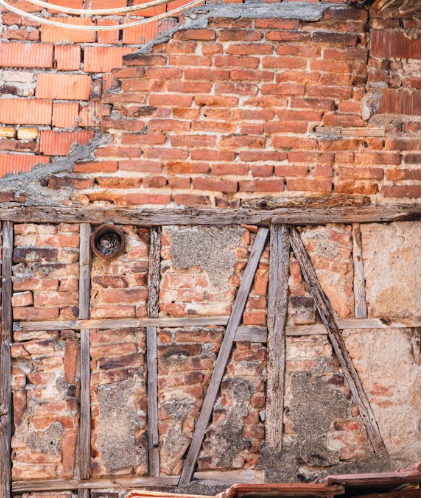
Understanding structural components to avoid construction mistakes that lead to building collapse.
1. The Fatal Flaw: Inadequate Structural Design and Engineering
This is the blueprint for failure, originating on the drawing board.
- The Mistake: Underestimating load calculations (dead, live, wind, seismic), using incorrect design codes, or a complete lack of professional structural engineering for complex projects.
- Why It Leads to Collapse: A structure is a system of balancing forces. If the beams, columns, and foundations are not designed to handle the expected loads—especially dynamic loads like snow accumulation or earthquake forces—catastrophic overload and sudden failure are inevitable.
- The Prevention: Always employ a licensed, experienced structural engineer. Ensure designs are site-specific and account for local climatic and seismic conditions. Independent design review is a wise investment for large projects.
2. The Weakest Link: Substandard Materials and Fraudulent Substitution
Strength is only as good as the materials used.
- The Mistake: Using concrete with inadequate compressive strength, under-specified or corroded rebar, poorly graded lumber, or counterfeit materials. This includes the fraudulent substitution of specified materials with cheaper, weaker alternatives.
- Why It Leads to Collapse: Concrete may crumble, steel may buckle, and connections may snap under load if materials don’t meet the required specifications. The 2013 Rana Plaza collapse in Bangladesh was tragically linked to substandard materials.
- The Prevention: Rigors material testing and certification (e.g., mill certificates for steel, slump tests for concrete). Unannounced on-site inspections and a zero-tolerance policy for material substitution. Resources like the American Concrete Institute (ACI) provide vital material standards.
3. The Cornerstone Catastrophe: Foundation Failures
A building cannot stand without a solid base.
- The Mistake: Building on unstable or uncompacted soil, improper foundation depth (not below the frost line), inadequate waterproofing, or errors in poured concrete (poor mixing, cold joints, insufficient curing).
- Why It Leads to Collapse: Differential settlement—where parts of the foundation sink unevenly—places immense stress on the superstructure, causing severe cracking, leaning, and potential progressive collapse.
- The Prevention: Conduct a thorough geotechnical soil investigation. Follow engineered foundation plans exactly. Ensure proper site drainage away from the foundation. Our guide on identifying and fixing foundation warning signs details early symptoms.
4. The Silent Killer: Improper Reinforcement in Concrete Structures
Concrete is strong in compression but weak in tension. Steel rebar provides its tensile strength.
- The Mistake: Incorrect rebar size, spacing, or placement; inadequate concrete cover leading to corrosion; poor splicing of rebar; or omitting rebar entirely in critical locations like beam-column junctions.
- Why It Leads to Collapse: This creates critical weak points. A column may punch through a slab, a beam may shear, or a structure may fail in a brittle manner during a seismic event, as seen in numerous earthquakes worldwide.
- The Prevention: Meticulous inspection of the rebar cage before the concrete pour. Use spacers to ensure proper concrete cover. Never allow concrete to be poured over a misplaced rebar cage.
(Image Suggestion: A photo comparison of proper vs. improper rebar spacing and concrete cover. Alt Text: “Critical reinforcement details to prevent construction mistakes that lead to building collapse.”)
5. The Connection Crisis: Faulty Structural Connections and Welds
Buildings are assemblages of parts; the connections are what hold them together.
- The Mistake: Insufficient bolts or welds, improperly torqued bolts, poor weld penetration, or using the wrong type of connector for the load (shear vs. moment connections).
- Why It Leads to Collapse: A connection failure can be sudden and trigger a progressive collapse, where the failure of one element overloads and leads to the failure of adjacent elements. The Hyatt Regency walkway collapse (1981) was a tragic example of a connection design failure.
- The Prevention: Connection details must be crystal clear on structural drawings. Use certified welders and bolting crews. Implement rigors non-destructive testing (NDT) for critical welds.
6. The Load Path Interruption: Unauthorized or Poorly Executed Alterations
Compromising the structural skeleton after it’s built.
- The Mistake: Removing load-bearing walls, cutting through joists or beams for ductwork, or adding significant weight (e.g., heavy water tanks) without engineering approval during renovations.
- Why It Leads to Collapse: This disrupts the continuous path that loads take from the roof to the foundation. A removed wall can cause floors above to sag and overload other elements, leading to partial or total collapse.
- The Prevention: Never assume a wall is non-structural. Always consult a structural engineer before any demolition or major alteration in an existing building. Obtain proper permits.
7. The Weather Wound: Inadequate Protection During Construction
Partially built structures are uniquely vulnerable.
- The Mistake: Leaving exposed rebar to corrode, allowing unfinished concrete to freeze, or not bracing structures against high winds during the construction phase.
- Why It Leads to Collapse: Corrosion weakens rebar before the building is even complete. Frozen concrete loses strength. Unbraced frames can buckle in a storm. This can cause immediate collapse or create latent weaknesses that fail years later.
- The Prevention: Implement strict weather protection protocols. Schedule critical concrete work for appropriate conditions. Install temporary bracing as specified by the engineer.
8. The Overburden Error: Unplanned Excessive Loading
Asking a structure to carry more than it was designed for.
- The Mistake: Converting attic space without reinforcing floors, adding multiple layers of heavy roofing, or storing massive inventory in a warehouse designed for lighter loads.
- Why It Leads to Collapse: This directly exceeds the live load capacity designed into the beams, slabs, and columns, leading to deflection, cracking, and eventual failure, often without warning.
- The Prevention: Respect the original design intent. For any change of use or significant addition, a structural review is mandatory. Understand the load ratings of your structure.
9. The Systemic Failure: Lack of Skilled Supervision and Quality Control
When no one is watching, mistakes compound.
- The Mistake: Absent or unqualified site supervision, failure to conduct mandated inspections at critical phases (e.g., pre-pour, post-tensioning), and a culture that prioritises speed over safety.
- Why It Leads to Collapse: This allows all the previously mentioned errors to go undetected and uncorrected. A single unchecked error can be the seed of collapse.
- The Prevention: Employ competent, authoritative site supervisors and clerks of works. Never skip an inspection. Foster a culture where workers are empowered to report safety and quality concerns.
10. The Regulatory Blind Spot: Willful Code Violations and Corruption
The ultimate betrayal of public trust.
- The Mistake: Bribing officials to bypass inspections, using falsified inspection reports, or deliberately ignoring building codes to cut costs.
- Why It Leads to Collapse: This systematically removes every safety net and legal safeguard designed to prevent disaster. It is often a factor in large-scale collapse tragedies in regions with weak governance.
- The Prevention: Transparency, accountability, and a robust regulatory framework with severe penalties for fraud. As professionals and citizens, demanding and upholding ethical standards is non-negotiable.
Conclusion: Vigilance is the Price of Structural Safety
The construction mistakes that lead to building collapse are a sobering catalogue of human error, negligence, and sometimes greed. They underscore that structural safety is not automatic; it is the hard-won result of rigors science, quality materials, skilled craftsmanship, and unwavering ethical oversight. Whether you are building a garden wall or a high-rise, the principles are the same: respect the loads, understand the materials, follow the codes, and never, ever compromise on the integrity of the structural system. By educating ourselves on these fatal errors, we become advocates for a safer built environment, ensuring that the spaces we live and work in stand firm for generations to come.
Remember: in construction, the margin for error is zero when it comes to structural integrity. When in doubt, always consult a licensed structural engineer.